How to Pronounce
NeboNEE-bo
Hear the pronunciation of Nebo
Click to play audio
Old Testament Reading
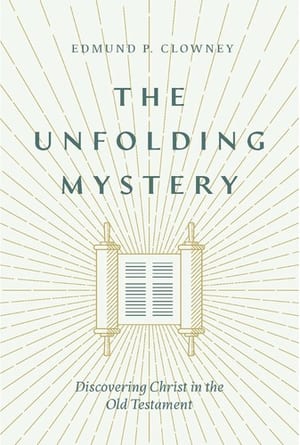
The Unfolding Mystery
Edmund P. Clowney
View on Amazon →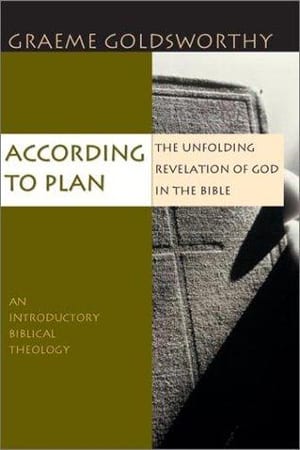
According to Plan
Graeme Goldsworthy
View on Amazon →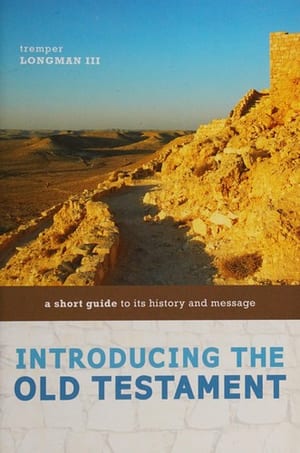
Introducing the Old Testament
Tremper Longman III
View on Amazon →
God's Big Picture
Vaughan Roberts
View on Amazon →
The Drama of Scripture
Bartholomew & Goheen
View on Amazon →As an Amazon Associate we earn from qualifying purchases.
Pronunciation Video
Watch on YouTube →Meaning
that speaks or prophesies
Historical Context
Nebo: A Name Rooted in Prophecy
Understanding how to pronounce Nebo correctly—NEE-bo—opens the door to appreciating one of the Bible's most intriguing divine names. This ancient word carries weight in both Mesopotamian and Hebrew religious contexts, making it significant for anyone studying biblical theology and ancient Near Eastern religion.
Etymology and Original Meaning
Nebo derives from Akkadian origins, where it refers to "one who speaks" or more specifically, "that speaks or prophesies." The name connects directly to the Babylonian god Nabu (also spelled Nebo), the deity of writing, wisdom, and divine proclamation. In Hebrew contexts, the word retained its prophetic connotation, emphasizing communication from the divine realm.
When pronouncing Nebo correctly in biblical study, recognize that you're engaging with a term that bridges Mesopotamian pagan religion and Hebrew monotheism—a linguistic crossroads reflecting Israel's historical interactions with Babylonian culture.
Biblical Appearances and Significance
Nebo appears most notably in Isaiah 46:1, where the prophet denounces the Babylonian god alongside Bel: "Bel bows down, Nebo stoops low." This passage captures the moment of Babylon's fall, presenting Nebo's impotence against the God of Israel. The reference isn't incidental—Isaiah deliberately names the god associated with prophecy and wisdom to emphasize that Babylonian claims to divine knowledge are hollow.
The mountain Mount Nebo, where Moses viewed the Promised Land before his death (Deuteronomy 34:1), may share etymological roots with this divine name, though scholars debate the connection.
Why This Matters for Bible Readers
Pronouncing Nebo accurately helps readers grasp Isaiah's ironic polemic. The prophet mocks the god of prophecy as powerless—a rhetorical strike at Babylon's spiritual pretensions. For pastors and teachers, recognizing Nebo's prophetic associations enriches sermon preparation and commentary work.
Additionally, Nebo pronunciation guides students through understanding how Hebrew Scripture engaged with Mesopotamian religious vocabulary, transforming foreign divine names into vehicles for monotheistic critique.
How to Read, Study & Pray

How to Read the Bible for All Its Worth
Gordon Fee & Douglas Stuart
View on Amazon →
Grasping God's Word
J. Scott Duvall & J. Daniel Hays
View on Amazon →
A Praying Life
Paul E. Miller
View on Amazon →
Women of the Word
Jen Wilkin
View on Amazon →
The Bible Recap
Tara-Leigh Cobble
View on Amazon →As an Amazon Associate we earn from qualifying purchases.