How to Pronounce
NazarethNAZ-uh-rehth
Hear the pronunciation of Nazareth
Click to play audio
New Testament Reading
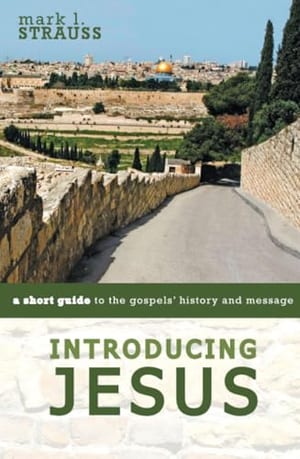
Introducing Jesus
Mark L. Strauss
View on Amazon →
Basic Christianity
John Stott
View on Amazon →
The King Jesus Gospel
Scot McKnight
View on Amazon →
Reading the Gospels Wisely
Jonathan T. Pennington
View on Amazon →
The Jesus I Never Knew
Philip Yancey
View on Amazon →As an Amazon Associate we earn from qualifying purchases.
Pronunciation Video
Watch on YouTube →Meaning
separated; crowned; sanctified
Historical Context
Nazareth: The Town That Shaped the Savior
Nazareth holds a unique place in Christian history—not as a location of miraculous events, but as the humble home where Jesus spent his formative years. Understanding how to pronounce Nazareth correctly opens the door to deeper appreciation of this significant biblical location and what its name reveals about first-century Jewish culture.
Pronunciation and Etymology
The proper way of pronouncing Nazareth correctly is NAZ-uh-rehth, with emphasis on the first syllable. The name derives from the Hebrew Natzrat, a small settlement in lower Galilee. Scholars debate the exact etymological root, but the most compelling evidence suggests it comes from the Hebrew word netzer, meaning "branch" or "shoot"—a term laden with messianic significance in Old Testament prophecy (Isaiah 11:1). This connection gives the name layers of theological meaning: separated, crowned, or sanctified—all concepts intertwined with Jesus's identity as the promised Messiah.
Biblical Significance and Scripture References
Nazareth first appears in the New Testament during the Annunciation narrative. The angel Gabriel visits Mary in Nazareth (Luke 1:26), announcing that she will bear the Son of God. This modest Galilean town becomes the launching point for God's redemptive plan. Jesus grew up there (Luke 2:39–40), worked as a carpenter, and later preached in its synagogue (Luke 4:16–30)—though his hometown audience rejected him, fulfilling the principle that "a prophet is not without honor except in his own town."
The Gospels frequently refer to Jesus as "Jesus of Nazareth" (Matthew 21:11; Mark 1:24; John 18:5), making the town inseparable from his earthly identity. Pronouncing Nazareth correctly when reading Scripture helps readers grasp how thoroughly embedded Jesus was in ordinary, provincial Jewish life.
Why This Matters for Bible Readers
Nazareth reminds us that the Incarnation happened not in Jerusalem's grandeur but in anonymity and simplicity. The town's name—suggesting both separation and sanctification—prefigures Christ's role as the holy, set-apart One who would redeem humanity. For pastors and teachers, accurate pronunciation reinforces the historical reality of Jesus's life and the theological richness embedded in even the smallest biblical place names.
How to Read, Study & Pray

How to Read the Bible for All Its Worth
Gordon Fee & Douglas Stuart
View on Amazon →
Grasping God's Word
J. Scott Duvall & J. Daniel Hays
View on Amazon →
A Praying Life
Paul E. Miller
View on Amazon →
Women of the Word
Jen Wilkin
View on Amazon →
The Bible Recap
Tara-Leigh Cobble
View on Amazon →As an Amazon Associate we earn from qualifying purchases.