How to Pronounce
Mosaicmo-ZAY-ihk
Hear the pronunciation of Mosaic
Click to play audio
Old Testament Reading
The Unfolding Mystery
Edmund P. Clowney
View on Amazon →
According to Plan
Graeme Goldsworthy
View on Amazon →
Introducing the Old Testament
Tremper Longman III
View on Amazon →
God's Big Picture
Vaughan Roberts
View on Amazon →
The Drama of Scripture
Bartholomew & Goheen
View on Amazon →As an Amazon Associate we earn from qualifying purchases.
Pronunciation Video
Watch on YouTube →Historical Context
Mosaic: Biblical Definition and Pronunciation
Pronunciation: mo-ZAY-ihk
When you encounter the word "Mosaic" while reading Scripture, you're looking at a term rooted in artistic and architectural practice. The word derives from the Latin mosaicus, which itself came from the Greek mousaikos—literally meaning "of the Muses." However, in biblical and historical contexts, "Mosaic" refers to something quite different from its etymological origin: it describes decorative art made by assembling small pieces of colored glass, stone, or tile to create a larger image or pattern.
Where Mosaic Appears in Scripture
The direct word "mosaic" appears sparingly in English Bible translations, but the concept emerges in descriptions of the tabernacle and temple. References to ornamental tile work and inlaid designs appear in 1 Kings 7, where Solomon's temple includes detailed decorative elements. Mosaic work also features in descriptions of royal palaces throughout the Ancient Near East, reflecting the grandeur of biblical-era architecture.
Why Understanding Mosaic Matters for Bible Readers
Grasping how to pronounce Mosaic correctly becomes important when discussing biblical art, architecture, and cultural context. When pastors and teachers explain the physical beauty of Solomon's temple or ancient Jewish craftsmanship, pronouncing Mosaic accurately helps convey the sophistication of biblical-era design.
Beyond pronunciation, understanding what Mosaic means deepens your appreciation for biblical descriptions of sacred spaces. The meticulous assembly of tiny pieces into unified wholes parallels spiritual truths found throughout Scripture—individual believers forming the body of Christ, for instance.
The term also connects to the broader category of "Mosaic Law"—though that phrase uses "Mosaic" differently, referring to laws given through Moses rather than artistic technique. Distinguishing between these uses prevents confusion when studying biblical law and Old Testament narratives.
Whether you're studying temple architecture, preparing a sermon on craftsmanship, or simply reading about ancient Jewish cultural practices, pronouncing Mosaic pronunciation correctly demonstrates careful engagement with biblical scholarship and historical detail.
How to Read, Study & Pray
How to Read the Bible for All Its Worth
Gordon Fee & Douglas Stuart
View on Amazon →
Grasping God's Word
J. Scott Duvall & J. Daniel Hays
View on Amazon →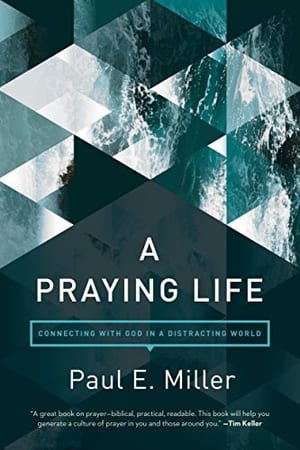
A Praying Life
Paul E. Miller
View on Amazon →
Women of the Word
Jen Wilkin
View on Amazon →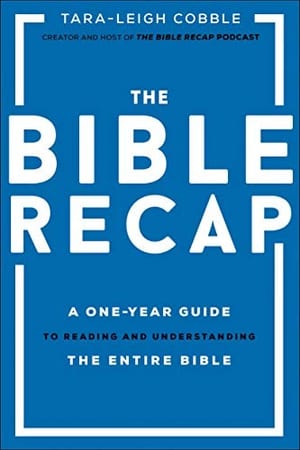
The Bible Recap
Tara-Leigh Cobble
View on Amazon →As an Amazon Associate we earn from qualifying purchases.