How to Pronounce
Machpelahmak-PEE-luh
Hear the pronunciation of Machpelah
Click to play audio
Old Testament Reading
The Unfolding Mystery
Edmund P. Clowney
View on Amazon →
According to Plan
Graeme Goldsworthy
View on Amazon →
Introducing the Old Testament
Tremper Longman III
View on Amazon →
God's Big Picture
Vaughan Roberts
View on Amazon →
The Drama of Scripture
Bartholomew & Goheen
View on Amazon →As an Amazon Associate we earn from qualifying purchases.
Pronunciation Video
Watch on YouTube →Meaning
double
Historical Context
Machpelah: A Double Burial Cave in Abraham's Legacy
The word Machpelah appears in the biblical text as a place name tied to one of Scripture's most significant family tombs. Understanding how to pronounce Machpelah correctly—mak-PEE-luh—helps readers navigate Genesis with confidence, particularly when studying the patriarchal narratives.
Etymology and Original Meaning
Machpelah comes from Hebrew and literally means "double." The name likely derives from the structure of the cave itself, which may have had two chambers or sections. This straightforward meaning reflects the ancient Semitic naming convention of describing a location's physical characteristics. When you're pronouncing Machpelah correctly in context, you're essentially saying the name of "the double cave."
Biblical Significance and Location
Machpelah holds tremendous importance in the patriarchal accounts. Located in Hebron (in what is now the West Bank), this cave served as a burial site for Abraham's family—the foundational figures of Israel's history. Genesis 23 records Abraham's purchase of the cave from Ephron the Hittite, establishing it as the first piece of land the patriarch owned in Canaan. This transaction marks a pivotal moment: Abraham secures permanent, legal ownership of land in the promised territory.
The cave became the resting place for Sarah (Genesis 23:19), Abraham (Genesis 25:9), Isaac and Rebekah (Genesis 49:31), and Jacob (Genesis 50:13). This concentration of patriarchal burials elevated Machpelah's status throughout Jewish tradition.
Why Machpelah Matters for Bible Readers
Understanding Machpelah pronunciation and significance helps readers grasp the theological weight of land ownership in the biblical narrative. The cave represents the beginning of covenant fulfillment—God's promise to give Abraham land was initiated through this burial cave. For Bible students and teachers, recognizing Machpelah's role illuminates how physical inheritance connected to spiritual promise in Israel's foundational story.
Today, the site remains one of the most sacred locations in Judaism and Islam, a testament to Machpelah's enduring historical and religious importance across millennia.
How to Read, Study & Pray
How to Read the Bible for All Its Worth
Gordon Fee & Douglas Stuart
View on Amazon →
Grasping God's Word
J. Scott Duvall & J. Daniel Hays
View on Amazon →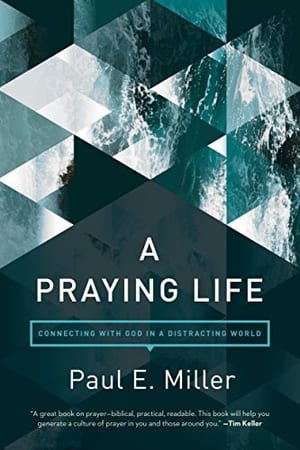
A Praying Life
Paul E. Miller
View on Amazon →
Women of the Word
Jen Wilkin
View on Amazon →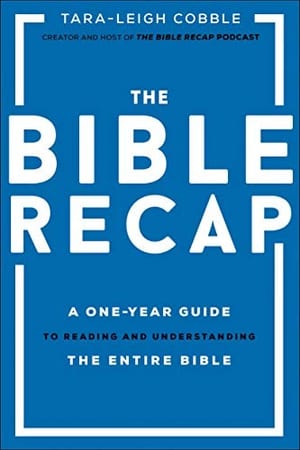
The Bible Recap
Tara-Leigh Cobble
View on Amazon →As an Amazon Associate we earn from qualifying purchases.