How to Pronounce
MordecaiMAWR-deh-kai
Hear the pronunciation of Mordecai
Click to play audio
Old Testament Reading
The Unfolding Mystery
Edmund P. Clowney
View on Amazon →
According to Plan
Graeme Goldsworthy
View on Amazon →
Introducing the Old Testament
Tremper Longman III
View on Amazon →
God's Big Picture
Vaughan Roberts
View on Amazon →
The Drama of Scripture
Bartholomew & Goheen
View on Amazon →As an Amazon Associate we earn from qualifying purchases.
Pronunciation Video
Watch on YouTube →Meaning
contrition; bitter; bruising
Historical Context
Mordecai: A Name of Strength in Exile
The name Mordecai carries profound significance in biblical history, yet many readers encounter difficulty when learning how to pronounce Mordecai correctly. The phonetic pronunciation is MAWR-deh-kai, with emphasis on the first syllable and a short "i" sound at the end.
Etymology and Original Meaning
Mordecai derives from the Akkadian name Marduka, which connects to the Babylonian god Marduk. However, Jewish tradition links the Hebrew form to words meaning "contrition," "bitter," and "bruising"—a meaningful contrast to its pagan origins. When pronouncing Mordecai correctly in biblical contexts, understanding this layered etymology enriches appreciation for how the name functioned within Jewish culture during the Babylonian exile.
Biblical Significance and Historical Context
Mordecai appears prominently in the Book of Esther, one of the Bible's most dramatic narratives. He serves as a Jewish official in the Persian court under King Ahasuerus and plays the crucial role of adoptive father to Esther. His story unfolds across Esther 2–10, where he uncovers an assassination plot against the king and later becomes instrumental in thwarting Haman's genocidal scheme against the Jewish people.
What makes Mordecai's character remarkable is his steadfast refusal to bow to Haman, an act rooted in Jewish conviction rather than personal pride. This defiance triggers the conflict that nearly destroys Persian Jewry but ultimately leads to their deliverance and Mordecai's elevation to the king's highest office.
Why Mordecai Matters for Bible Readers
Understanding Mordecai's story—and pronouncing Mordecai with confidence—matters because his account demonstrates God's providential care even when His name never appears in Esther. Mordecai's Mordecai pronunciation may seem minor, but accurate familiarity with biblical names deepens engagement with Scripture.
The names associated with Mordecai—meaning contrition and bruising—reflect a man refined through hardship. His journey from exiled Jewish youth to the second-most powerful person in Persia illustrates how faithfulness and courage, even in hidden circumstances, can shift the course of history. For pastors and teachers, Mordecai exemplifies how ordinary believers positioned in unexpected places become instruments of God's deliverance.
How to Read, Study & Pray
How to Read the Bible for All Its Worth
Gordon Fee & Douglas Stuart
View on Amazon →
Grasping God's Word
J. Scott Duvall & J. Daniel Hays
View on Amazon →
A Praying Life
Paul E. Miller
View on Amazon →
Women of the Word
Jen Wilkin
View on Amazon →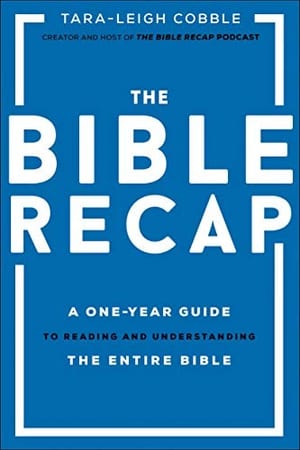
The Bible Recap
Tara-Leigh Cobble
View on Amazon →As an Amazon Associate we earn from qualifying purchases.