How to Pronounce
MoabiteMO-ab-ait
Hear the pronunciation of Moabite
Click to play audio
Recommended Reading

How to Read the Bible for All Its Worth
Gordon Fee & Douglas Stuart
View on Amazon →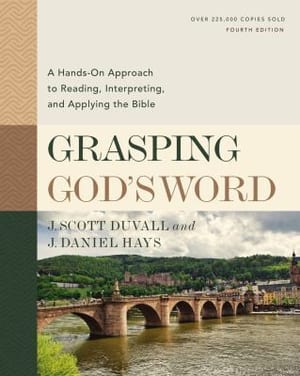
Grasping God's Word
J. Scott Duvall & J. Daniel Hays
View on Amazon →
A Praying Life
Paul E. Miller
View on Amazon →
Women of the Word
Jen Wilkin
View on Amazon →
The Bible Recap
Tara-Leigh Cobble
View on Amazon →As an Amazon Associate we earn from qualifying purchases.
Pronunciation Video
Watch on YouTube →Historical Context
Moabite: Pronunciation and Biblical Identity
The correct way to pronounce Moabite is MO-ab-ait, with stress on the first syllable. Understanding how to pronounce Moabite correctly helps Bible readers and teachers navigate references to this ancient people throughout Scripture.
Etymology and Original Meaning
The term "Moabite" derives from Moab, a name rooted in the Hebrew Bible. According to Genesis 19:37, Moab was the son of Lot and his daughter, born in the aftermath of Sodom's destruction. The name itself may mean "from the father" in Hebrew, though scholars debate its exact etymology. Moabites were the descendants of this lineage, forming a distinct nation east of the Dead Sea in what is now Jordan.
Where Moabites Appear in Scripture
Pronouncing Moabite correctly becomes important when encountering biblical accounts involving this neighboring nation. Moabites appear frequently in the Old Testament, particularly in the books of Numbers, Deuteronomy, Judges, Ruth, and 2 Kings. One of the most significant references occurs in Ruth 1:4, where Ruth herself is identified as a Moabite woman—a crucial detail given her role in the lineage of King David and Jesus.
Numbers 25 describes the Moabites' attempted seduction of Israel through Balaam's counsel, while Deuteronomy 23:3–6 establishes restrictions on Moabite inclusion in Israel's assembly. These passages reveal the complex relationship between Israel and Moab throughout biblical history.
Why This Matters for Bible Readers
Knowing how to pronounce Moabite correctly enhances comprehension when studying passages about Israel's interactions with neighboring nations. The Moabites represent both conflict and redemption in Scripture—they were sometimes enemies, yet Ruth the Moabite became an ancestor of Israel's greatest king. This paradox illustrates themes of grace and inclusion central to biblical narrative.
For pastors and teachers, pronouncing Moabite with confidence ensures clear communication when discussing these historical and theological connections with students and congregants.
How to Read, Study & Pray
How to Read the Bible for All Its Worth
Gordon Fee & Douglas Stuart
View on Amazon →Grasping God's Word
J. Scott Duvall & J. Daniel Hays
View on Amazon →A Praying Life
Paul E. Miller
View on Amazon →Women of the Word
Jen Wilkin
View on Amazon →The Bible Recap
Tara-Leigh Cobble
View on Amazon →As an Amazon Associate we earn from qualifying purchases.