How to Pronounce
MidianMIH-dih-uhn
Hear the pronunciation of Midian
Click to play audio
Old Testament Reading

The Unfolding Mystery
Edmund P. Clowney
View on Amazon →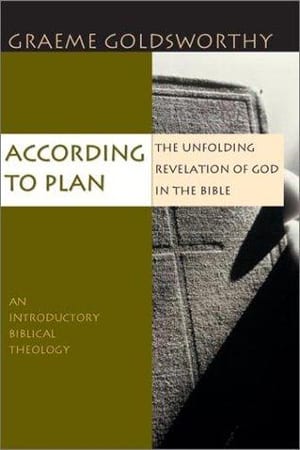
According to Plan
Graeme Goldsworthy
View on Amazon →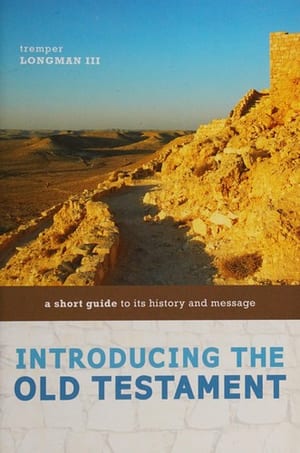
Introducing the Old Testament
Tremper Longman III
View on Amazon →
God's Big Picture
Vaughan Roberts
View on Amazon →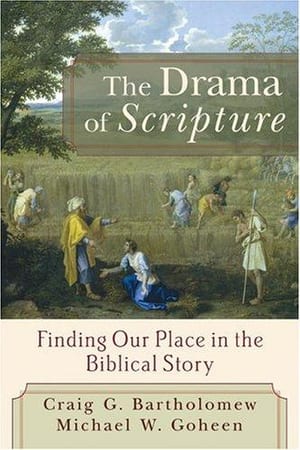
The Drama of Scripture
Bartholomew & Goheen
View on Amazon →As an Amazon Associate we earn from qualifying purchases.
Pronunciation Video
Watch on YouTube →Meaning
judgment; covering; habit
Historical Context
Midian: Judgment and the Desert Sanctuary
Understanding how to pronounce Midian correctly—MIH-dih-uhn—opens the door to one of Scripture's most significant geographical and spiritual locations. The name carries layered meaning rooted in Hebrew, where it derives from a root suggesting "judgment," "covering," and "habit" or "custom." These semantic threads weave together to reveal why Midian became such a pivotal setting in biblical narrative.
Etymology and Original Meaning
Midian's name reflects the Hebrew concept of divine judgment and protective covering. The root connects to ideas of separation and distinction—a people set apart, living according to their own customs in the arid regions east of the Jordan River. Pronouncing Midian correctly helps readers recognize this name's spiritual weight whenever it appears in Scripture.
Biblical Significance and Location
Midian first appears in Genesis 25:2 as the son of Abraham and Keturah, though the nation of Midian became far more significant than the patriarch himself. The territory stretched across the Arabian Peninsula's northwestern regions, a vast desert landscape that shaped the Midianites' nomadic, pastoral lifestyle.
The Midian pronunciation matters most when studying Exodus, where Moses fled as a fugitive and married into a Midianite priestly family. His father-in-law Jethro—also called Reuel—served as a priest of Midian, and their relationship profoundly influenced Moses' spiritual preparation for leadership. Later, Numbers 25 and 31 describe Israel's conflicts with the Midianites, particularly their role in leading Israel into idolatry.
Why Midian Matters Today
For contemporary Bible readers and teachers, pronouncing Midian correctly signals familiarity with these narratives. The Midianite connection illuminates Moses' formative years, his marriage, and his encounter with God at the burning bush. Understanding Midian's meaning—judgment, covering, custom—enriches interpretation of how God worked through unexpected relationships and desert encounters to prepare His servant.
Whether you're preaching Exodus or studying ancient Near Eastern geography, accurate Midian pronunciation and knowledge of its significance strengthen your biblical communication and deepen audience comprehension of Scripture's interconnected stories.
How to Read, Study & Pray

How to Read the Bible for All Its Worth
Gordon Fee & Douglas Stuart
View on Amazon →
Grasping God's Word
J. Scott Duvall & J. Daniel Hays
View on Amazon →
A Praying Life
Paul E. Miller
View on Amazon →
Women of the Word
Jen Wilkin
View on Amazon →
The Bible Recap
Tara-Leigh Cobble
View on Amazon →As an Amazon Associate we earn from qualifying purchases.