How to Pronounce
Micaiahmai-KAY-yuh
Hear the pronunciation of Micaiah
Click to play audio
Recommended Reading
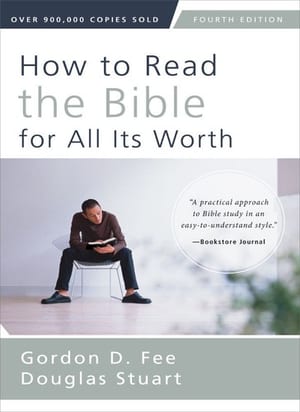
How to Read the Bible for All Its Worth
Gordon Fee & Douglas Stuart
View on Amazon →
Grasping God's Word
J. Scott Duvall & J. Daniel Hays
View on Amazon →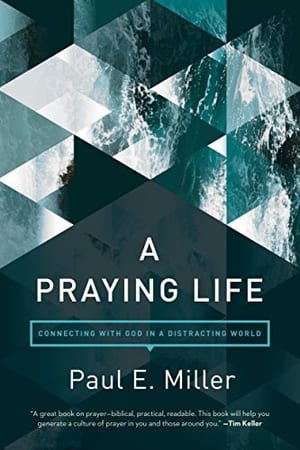
A Praying Life
Paul E. Miller
View on Amazon →
Women of the Word
Jen Wilkin
View on Amazon →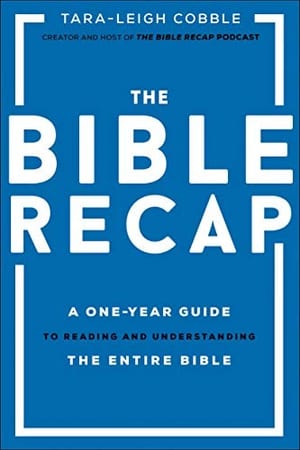
The Bible Recap
Tara-Leigh Cobble
View on Amazon →As an Amazon Associate we earn from qualifying purchases.
Pronunciation Video
Watch on YouTube →Meaning
who is like to God?
Historical Context
Micaiah: The Prophet Who Spoke Truth to Power
The name Micaiah (pronounced mai-KAY-yuh) carries profound theological weight in Scripture. Derived from the Hebrew Mikha'yahu, it combines two elements: mi (who) and kayah (is like), with Yahu referring to Yahweh. The meaning "who is like to God?" reflects a rhetorical question embedded in the name itself—affirming that no one compares to the Lord.
Biblical Significance and Appearances
Micaiah appears most prominently in 1 Kings 22 and 2 Chronicles 18, where he confronts King Ahab and the four hundred false prophets. When pronouncing Micaiah correctly (mai-KAY-yuh), Bible readers recognize one of Scripture's most courageous voices. While other prophets prophesied smooth things to please the king, Micaiah alone proclaimed God's true word, even knowing it would result in imprisonment.
The account reveals Micaiah's supernatural encounter with God's heavenly council. He describes a vision where the Lord asks who will entice Ahab to his death, ultimately allowing a deceiving spirit to influence the false prophets. This narrative demonstrates why Micaiah pronunciation matters—his name encapsulates his calling: a prophet whose identity is inseparable from his allegiance to God alone.
Why This Name Matters for Modern Readers
Understanding Micaiah's meaning helps Bible students grasp the irony of his story. Here stands a prophet whose very name asks "who is like to God?"—and his actions answer that question through unwavering faithfulness. When other voices clamor for approval and compromise, Micaiah's example challenges readers to consider: Do our lives reflect that God is incomparable?
The Micaiah pronunciation (mai-KAY-yuh) may seem like a small detail, but getting names right honors the biblical narrative. Micaiah's courage cost him dearly—he was struck and imprisoned for telling the truth. Yet his name remains a testament to one man's conviction that no earthly king compares to the King of heaven.
For pastors and teachers, Micaiah's story serves as a powerful meditation on prophetic integrity and the cost of faithfulness.
How to Read, Study & Pray
How to Read the Bible for All Its Worth
Gordon Fee & Douglas Stuart
View on Amazon →Grasping God's Word
J. Scott Duvall & J. Daniel Hays
View on Amazon →A Praying Life
Paul E. Miller
View on Amazon →Women of the Word
Jen Wilkin
View on Amazon →The Bible Recap
Tara-Leigh Cobble
View on Amazon →As an Amazon Associate we earn from qualifying purchases.