
How to Pronounce
MicahMAI-kuh
Hear the pronunciation of Micah
Click to play audio
Commentaries on This Book
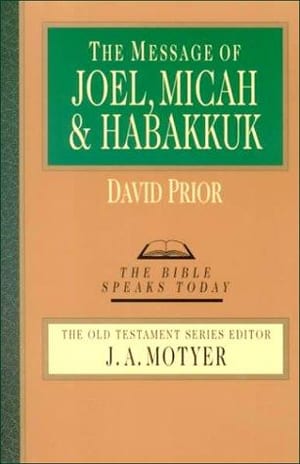
The Message of Joel, Micah and Habakkuk
David Prior
View on Amazon →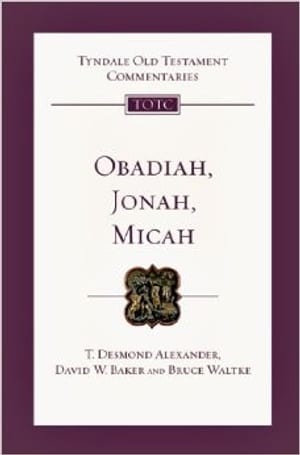
Obadiah, Jonah and Micah (Tyndale Old Testament Commentaries)
T. Desmond Alexander, David W. Baker, Bruce Waltke
View on Amazon →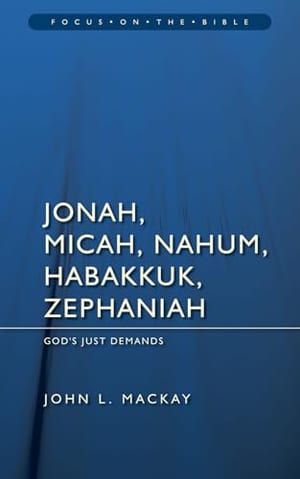
Jonah, Micah, Nahum, Habakkuk & Zephaniah: God's Just Demands
John L. Mackay
View on Amazon →As an Amazon Associate we earn from qualifying purchases.
Pronunciation Video
Watch on YouTube →Meaning
poor; humble
Historical Context
Micah: Meaning and Pronunciation Guide
Micah comes from the Hebrew name Mikha'yahu (מִיכָיְהוּ), which combines two Hebrew elements: mi (who) and Yah (Yahweh, God). Together, the name means "Who is like God?"—a rhetorical question affirming God's incomparability. However, the shortened form Micah also carries associations with humility and lowliness in biblical context.
When pronouncing Micah correctly, remember it's a two-syllable name: MAI-kuh. The first syllable rhymes with "my," and the second is a short schwa sound. Getting Micah pronunciation right helps maintain accuracy in Bible teaching and personal study.
The Prophet Micah and His Book
Micah is best known as one of Israel's eight major prophets. The book bearing his name appears in the Old Testament Minor Prophets section, positioned between Jonah and Nahum. Writing during the 8th century BCE, Micah prophesied to both the northern kingdom of Israel and the southern kingdom of Judah during politically turbulent times.
How to pronounce Micah becomes especially important when reading his prophecies aloud, as pastors and teachers frequently reference this book in sermons. Micah 6:8 stands out as one of Scripture's most quoted verses: "He has shown you, O mortal, what is good. And what does the Lord require of you? To act justly and to love mercy and to walk humbly with your God."
Significance for Bible Readers
Beyond the prophet, several other biblical figures bore this name, including a Levite in Judges 17 and descendants mentioned in genealogies. Understanding Micah pronunciation correctly prevents confusion when cross-referencing these different individuals throughout Scripture.
The name's theological weight matters too. Micah's message emphasized God's justice, His concern for the poor and oppressed, and His ultimate redemption plan. His prophecies include messianic predictions about a ruler coming from Bethlehem (Micah 5:2)—a passage Christians recognize as pointing to Christ's birth.
For serious Bible students, pronouncing Micah accurately reflects respect for the text and enhances comprehension during study and teaching. The name encapsulates both divine majesty and human humility—themes central to Micah's entire prophetic ministry.
How to Read, Study & Pray

How to Read the Bible for All Its Worth
Gordon Fee & Douglas Stuart
View on Amazon →
Grasping God's Word
J. Scott Duvall & J. Daniel Hays
View on Amazon →
A Praying Life
Paul E. Miller
View on Amazon →
Women of the Word
Jen Wilkin
View on Amazon →
The Bible Recap
Tara-Leigh Cobble
View on Amazon →As an Amazon Associate we earn from qualifying purchases.
