How to Pronounce
MeshachMEE-shak
Hear the pronunciation of Meshach
Click to play audio
Old Testament Reading

The Unfolding Mystery
Edmund P. Clowney
View on Amazon →
According to Plan
Graeme Goldsworthy
View on Amazon →
Introducing the Old Testament
Tremper Longman III
View on Amazon →
God's Big Picture
Vaughan Roberts
View on Amazon →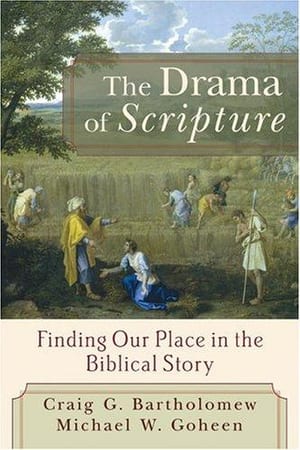
The Drama of Scripture
Bartholomew & Goheen
View on Amazon →As an Amazon Associate we earn from qualifying purchases.
Pronunciation Video
Watch on YouTube →Meaning
that draws with force
Historical Context
Meshach: Pronunciation and Biblical Significance
Getting the Meshach pronunciation right matters more than you might think—especially if you're teaching or preaching through the book of Daniel. The correct way to pronounce Meshach is MEE-shak, with the stress on the first syllable and a short "a" sound at the end, rhyming roughly with "Patrick."
The Name's Origin and Meaning
Meshach is a Babylonian name given to a Hebrew youth during the exile. The original meaning, "that draws with force," reflects Aramaic linguistic roots and suggests strength or power. This etymology carries weight when you consider the character's later actions—Meshach would indeed demonstrate remarkable spiritual strength in the face of King Nebuchadnezzar's demands.
The name itself was assigned to him, along with his companions Shadrach and Abednego, when they entered the Babylonian court. His Hebrew birth name was Mishael, but the Babylonian court renamed him Meshach as part of their cultural assimilation process.
Where Meshach Appears in Scripture
You'll encounter Meshach primarily in Daniel 1–3. He first appears in Daniel 1:7, where his name is recorded alongside his companions. The most famous account—and the reason many Bible readers know how to pronounce Meshach at all—is the fiery furnace narrative in Daniel 3. When Nebuchadnezzar commanded all people to bow to his golden image, Meshach and his companions refused, resulting in their miraculous deliverance from the flames.
Why This Matters for Bible Readers
Understanding Meshach's story reveals crucial themes about faithfulness under pressure and God's protection of His people. The name's meaning—drawing with force—takes on deeper significance when you realize Meshach was spiritually drawn with force toward obedience to God, even when it meant defying an earthly king.
Whether you're pronouncing Meshach correctly in a classroom, pulpit, or personal study, recognizing the historical and spiritual context enriches your understanding of one of Scripture's most compelling testimonies to divine faithfulness.
How to Read, Study & Pray

How to Read the Bible for All Its Worth
Gordon Fee & Douglas Stuart
View on Amazon →
Grasping God's Word
J. Scott Duvall & J. Daniel Hays
View on Amazon →
A Praying Life
Paul E. Miller
View on Amazon →
Women of the Word
Jen Wilkin
View on Amazon →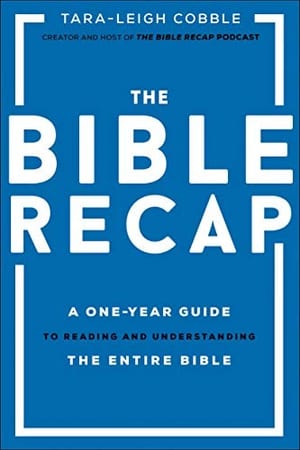
The Bible Recap
Tara-Leigh Cobble
View on Amazon →As an Amazon Associate we earn from qualifying purchases.