
How to Pronounce
Melchizedekmehl-KIHZ-eh-dehk
Hear the pronunciation of Melchizedek
Click to play audio
New Testament Reading
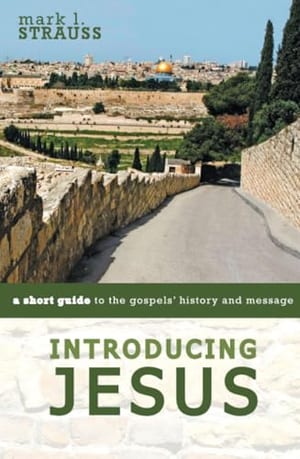
Introducing Jesus
Mark L. Strauss
View on Amazon →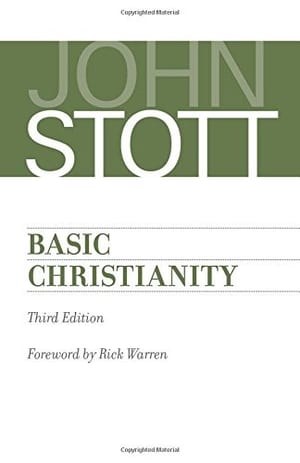
Basic Christianity
John Stott
View on Amazon →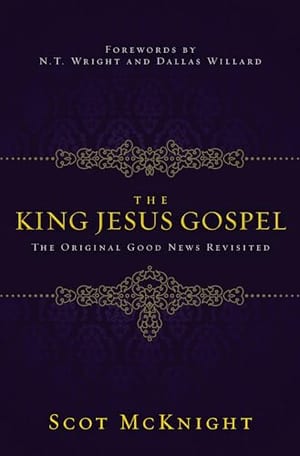
The King Jesus Gospel
Scot McKnight
View on Amazon →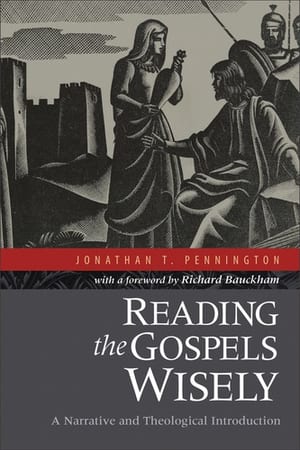
Reading the Gospels Wisely
Jonathan T. Pennington
View on Amazon →
The Jesus I Never Knew
Philip Yancey
View on Amazon →As an Amazon Associate we earn from qualifying purchases.
Pronunciation Video
Watch on YouTube →Meaning
king of justice
Historical Context
Melchizedek: King of Justice
The name Melchizedek comes from Hebrew roots that combine two powerful concepts: melech (king) and tzedek (righteousness or justice). Understanding how to pronounce Melchizedek correctly—mehl-KIHZ-eh-dehk—helps unlock the theological weight this figure carries throughout Scripture. The name itself is a declaration: a king whose very identity embodies justice.
Where Melchizedek Appears in Scripture
Melchizedek first emerges in Genesis 14:18-20, where he greets Abram after a military victory, offering bread and wine and pronouncing a blessing. This brief appearance is deceptively significant—Abram honors this mysterious priest-king by giving him a tenth of his spoils, establishing a pattern of respect that reverberates through biblical history.
The figure reappears in Psalm 110:4, where the psalmist prophesies of a future ruler "in the order of Melchizedek"—a phrase that fundamentally shapes Christian theology. Later, the New Testament book of Hebrews (chapters 5–7) makes extensive use of Melchizedek to explain Jesus's priesthood, arguing that Christ belongs to a higher priestly order than the Levitical system.
Why Melchizedek Matters for Bible Readers
Pronouncing Melchizedek correctly is more than linguistic accuracy—it's about grasping why biblical writers kept returning to this figure. He represents a priesthood that predates Moses, a righteousness that transcends national boundaries, and a mysterious authority that operates outside established religious structures.
For pastors and Bible teachers, understanding Melchizedek's significance illuminates one of Scripture's most sophisticated theological arguments. When Hebrews uses Melchizedek to reframe Jesus's role, it's making a claim about a universal, eternal priesthood rooted in justice itself—not in genealogy or temple ritual.
The enigmatic nature of Melchizedek—appearing without genealogy, without explanation of his origins or end—invites readers to recognize that some biblical figures function as types or shadows pointing toward greater realities. His brief but powerful presence in Genesis and his theological prominence in Hebrews make him essential for anyone seeking to understand biblical priesthood and messianic expectation.
How to Read, Study & Pray

How to Read the Bible for All Its Worth
Gordon Fee & Douglas Stuart
View on Amazon →
Grasping God's Word
J. Scott Duvall & J. Daniel Hays
View on Amazon →
A Praying Life
Paul E. Miller
View on Amazon →
Women of the Word
Jen Wilkin
View on Amazon →
The Bible Recap
Tara-Leigh Cobble
View on Amazon →As an Amazon Associate we earn from qualifying purchases.
