How to Pronounce
MatthewMATH-yoo
Hear the pronunciation of Matthew
Click to play audio
Commentaries on This Book
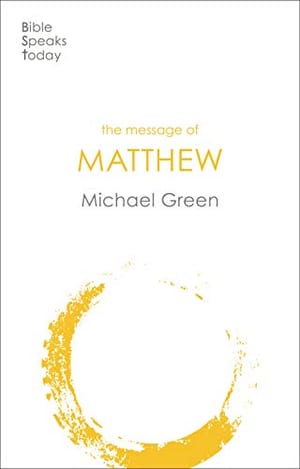
The Message of Matthew
Michael Green
View on Amazon →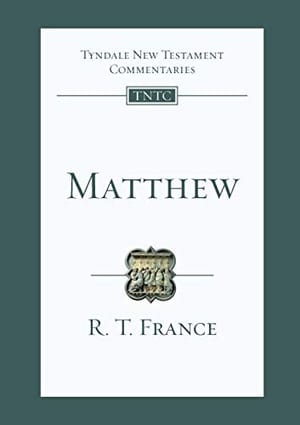
Matthew (Tyndale New Testament Commentary)
R. T. France
View on Amazon →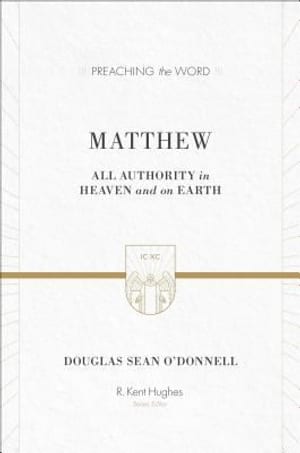
Matthew: All Authority in Heaven and on Earth (Preaching the Word)
Douglas Sean O'Donnell
View on Amazon →As an Amazon Associate we earn from qualifying purchases.
Pronunciation Video
Watch on YouTube →Meaning
given; a reward
Historical Context
Matthew: The Name of a Calling
The name Matthew carries a straightforward yet profound meaning rooted in ancient Hebrew. Derived from the Hebrew name Mattityahu (מתתיהו), Matthew means "given" or "a gift from God." The name combines two Hebrew elements: mattan (gift) and Yah (God). Understanding the Matthew pronunciation—MATH-yoo—helps readers recognize this name across different Bible translations and commentaries.
Who Was Matthew in Scripture?
Matthew was one of Jesus's twelve apostles and the author of the Gospel of Matthew. Before his calling, he worked as a tax collector in Capernaum, a profession that made him an outcast in Jewish society. When Jesus called him to discipleship (Matthew 9:9), Matthew left his post to follow. This moment illustrates the deeper significance of his name—he became a living gift, given by God to spread the Gospel message.
The Gospel bearing his name, written primarily for a Jewish audience, appears as the first Gospel in the New Testament. Matthew's account emphasizes Jesus as the promised Messiah and contains the famous Sermon on the Mount (chapters 5–7).
Why the Name Matters for Bible Students
Learning how to pronounce Matthew correctly helps readers engage more confidently with Scripture. Pronouncing Matthew accurately also matters when discussing biblical genealogies—Matthew's Gospel opens with Jesus's family line, tracing his lineage back to Abraham.
The meaning behind Matthew's name adds another layer: his transformation from a despised tax collector to an apostle and Gospel writer exemplifies grace. He was quite literally a gift—given to the disciples and to the early church. His story reminds readers that no one is beyond redemption or usefulness in God's kingdom.
For pastors and teachers, understanding both the Matthew pronunciation and the name's Hebrew roots enriches sermon preparation and Bible study discussions. It connects the historical figure to the theological significance of his calling and legacy.
How to Read, Study & Pray

How to Read the Bible for All Its Worth
Gordon Fee & Douglas Stuart
View on Amazon →
Grasping God's Word
J. Scott Duvall & J. Daniel Hays
View on Amazon →
A Praying Life
Paul E. Miller
View on Amazon →
Women of the Word
Jen Wilkin
View on Amazon →
The Bible Recap
Tara-Leigh Cobble
View on Amazon →As an Amazon Associate we earn from qualifying purchases.