How to Pronounce
MatthanMAT-than
Hear the pronunciation of Matthan
Click to play audio
New Testament Reading
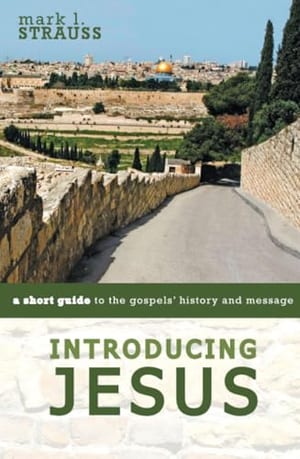
Introducing Jesus
Mark L. Strauss
View on Amazon →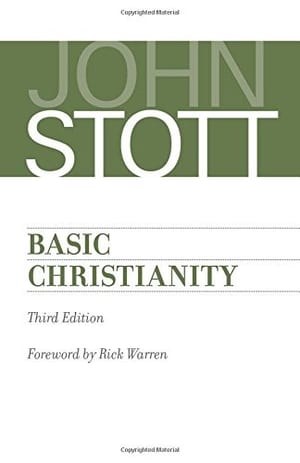
Basic Christianity
John Stott
View on Amazon →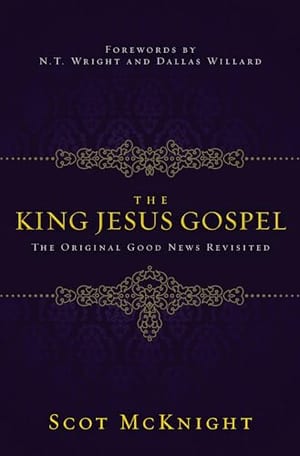
The King Jesus Gospel
Scot McKnight
View on Amazon →
Reading the Gospels Wisely
Jonathan T. Pennington
View on Amazon →
The Jesus I Never Knew
Philip Yancey
View on Amazon →As an Amazon Associate we earn from qualifying purchases.
Pronunciation Video
Watch on YouTube →Meaning
same as Mattan, gifts; rains
Historical Context
Matthan: Pronunciation and Biblical Meaning
How to pronounce Matthan correctly requires understanding its Aramaic-Hebrew roots. The name breaks down as MAT-than, with the stress on the first syllable. Matthan derives from the Semitic root meaning "gifts" or "rains"—a name that carries connotations of blessing and provision in biblical culture.
Etymology and Original Language
Matthan is essentially a variant of the name Mattan, both stemming from the same linguistic root. In Hebrew and Aramaic, the underlying word relates to mattan, meaning "gift" or "that which is given." Some scholars connect it to the concept of rain, which in ancient Near Eastern thought represented God's most essential gift to an agricultural people. The name thus carries layers of meaning—both literal generosity and divine blessing.
Where Matthan Appears in Scripture
Matthan appears in the Gospel of Matthew, specifically in the genealogy of Jesus found in Matthew 1:15. He is listed as the father of Jacob, who was the father of Joseph (Jesus's earthly father). This positioning in Matthew's genealogical account makes Matthan part of the direct ancestral line leading to Christ, emphasizing the importance of tracing lineage through the patriarchal structure of ancient Israel.
Why Matthan Matters for Bible Readers
Understanding how to pronounce Matthan correctly helps readers engage more deeply with the genealogical passages. While genealogies might seem like mere lists of names, they served crucial purposes in Jewish culture—establishing legitimacy, tribal membership, and covenant inheritance. Pronouncing Matthan correctly honors the historical figures whose names appear in Scripture and aids in the retention and discussion of biblical content.
For pastors and Bible teachers, knowing the Matthan pronunciation and its meaning enriches contextual teaching about Jesus's lineage. It reminds congregations that Christ's incarnation was rooted in actual human history, with real ancestors bearing names that reflected their culture's values—gifts, blessing, and divine provision.
How to Read, Study & Pray

How to Read the Bible for All Its Worth
Gordon Fee & Douglas Stuart
View on Amazon →
Grasping God's Word
J. Scott Duvall & J. Daniel Hays
View on Amazon →
A Praying Life
Paul E. Miller
View on Amazon →
Women of the Word
Jen Wilkin
View on Amazon →
The Bible Recap
Tara-Leigh Cobble
View on Amazon →As an Amazon Associate we earn from qualifying purchases.