How to Pronounce
Lwangaluh-WAHNG-guh
Hear the pronunciation of Lwanga
Click to play audio
New Testament Reading
Introducing Jesus
Mark L. Strauss
View on Amazon →
Basic Christianity
John Stott
View on Amazon →
The King Jesus Gospel
Scot McKnight
View on Amazon →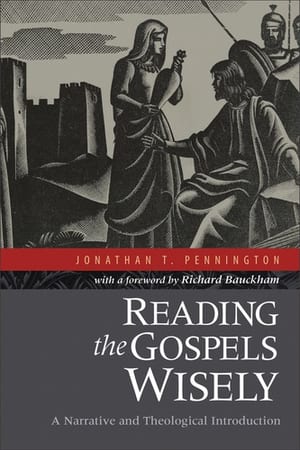
Reading the Gospels Wisely
Jonathan T. Pennington
View on Amazon →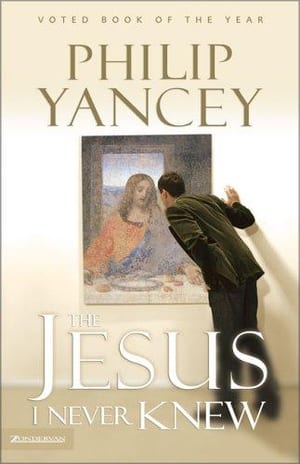
The Jesus I Never Knew
Philip Yancey
View on Amazon →As an Amazon Associate we earn from qualifying purchases.
Pronunciation Video
Watch on YouTube →Historical Context
Lwanga: Pronouncing a Name of Martyrdom
Lwanga is a Luganda name, reflecting the East African origin of one of Christianity's most celebrated martyrs. The name itself carries cultural significance within the Ganda people of Uganda, though it is not originally Hebrew or Greek like most biblical names. Understanding how to pronounce Lwanga correctly — luh-WAHNG-guh — helps Bible readers and teachers honor both the historical figure and his cultural heritage.
Who Was Lwanga?
Charles Lwanga (1865–1886) was a young Ugandan Catholic convert and court official who became one of the most prominent figures in the martyrdom of Ugandan Christians during the reign of King Mwanga II. While Lwanga does not appear in the canonical biblical text itself, his story is deeply rooted in Christian witness and sacrifice, making him significant for understanding modern Christian history and persecution.
The Significance of Pronouncing Lwanga Correctly
For pastors and Bible teachers discussing church history, Christian martyrology, or the global witness of faith, pronouncing Lwanga correctly demonstrates respect for African Christianity and its heroes. Lwanga was canonized as a saint by the Catholic Church in 1964, and his feast day (June 3) is celebrated in many Christian communities worldwide.
The Lwanga pronunciation reflects Luganda phonetics: the initial "L" is clear, "wah" rhymes with "spa," and the final "guh" is a soft ending. Many Western Bible readers unfamiliar with Bantu languages may naturally mispronounce it without guidance.
Why It Matters for Bible Readers
Lwanga's legacy reminds Christians that biblical faith extends far beyond ancient scripture into living witness across cultures and centuries. His martyrdom, along with that of the Uganda Martyrs (a group of approximately 45 young men executed between 1885–1887), represents one of Christianity's most dramatic modern testimonies. Learning to pronounce names like Lwanga correctly reflects a commitment to honoring all voices in the global Christian story, not just those from Western traditions.
How to Read, Study & Pray
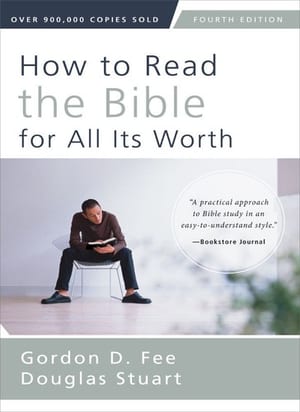
How to Read the Bible for All Its Worth
Gordon Fee & Douglas Stuart
View on Amazon →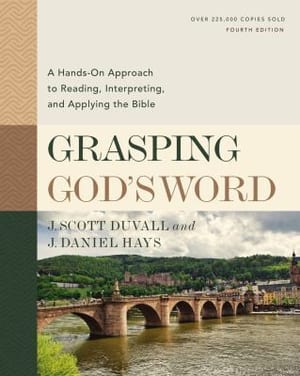
Grasping God's Word
J. Scott Duvall & J. Daniel Hays
View on Amazon →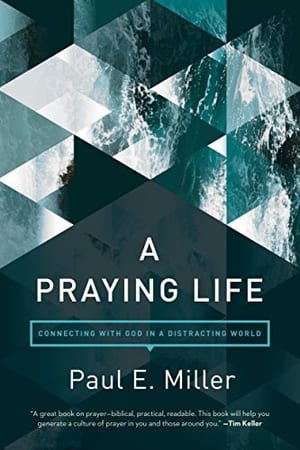
A Praying Life
Paul E. Miller
View on Amazon →
Women of the Word
Jen Wilkin
View on Amazon →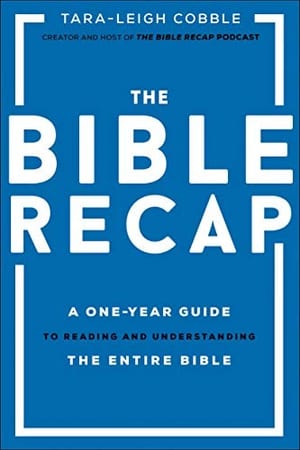
The Bible Recap
Tara-Leigh Cobble
View on Amazon →As an Amazon Associate we earn from qualifying purchases.