How to Pronounce
LibyaLIH-bih-uh
Hear the pronunciation of Libya
Click to play audio
New Testament Reading
Introducing Jesus
Mark L. Strauss
View on Amazon →
Basic Christianity
John Stott
View on Amazon →
The King Jesus Gospel
Scot McKnight
View on Amazon →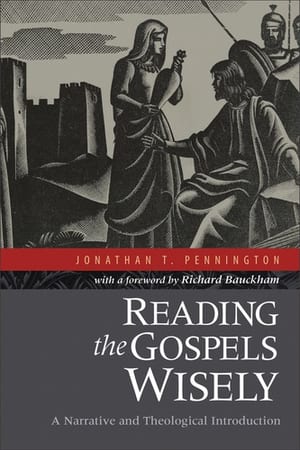
Reading the Gospels Wisely
Jonathan T. Pennington
View on Amazon →
The Jesus I Never Knew
Philip Yancey
View on Amazon →As an Amazon Associate we earn from qualifying purchases.
Pronunciation Video
Watch on YouTube →Meaning
the heart of the sea; fat
Historical Context
Libya: Pronouncing an Ancient Biblical Land
How to pronounce Libya correctly is straightforward once you break it into syllables: LIH-bih-uh. The word appears in English Bible translations as the name of a North African region, but understanding its deeper roots enriches your grasp of Scripture's geographical and cultural context.
Etymology and Original Meaning
The name Libya derives from Hebrew origins and carries the meaning "the heart of the sea" or alternatively "fat." This dual meaning reflects the ancient world's perception of the region—either as a maritime hub or as a land of abundance and fertility. Pronouncing Libya correctly helps readers recognize this name consistently across different Bible passages and commentaries.
Biblical References and Significance
Libya appears in several key biblical passages. In Acts 2:10, Luke mentions "visitors from Libya" among the crowd gathered in Jerusalem on Pentecost, indicating the region's Jewish population and its connection to early Christian history. The name also surfaces in Daniel 11:43, where it's listed among territories in prophetic descriptions of future kingdoms.
The region held strategic importance in the ancient Mediterranean world, and its mention in Scripture reflects the Bible's awareness of geopolitical realities beyond Israel's borders. Understanding Libya pronunciation and its biblical context helps pastors and teachers explain how widely the Gospel spread and how international the early church truly was.
Why This Matters for Bible Study
Pronouncing Libya correctly matters more than mere accuracy—it connects you to the historical reality these passages describe. When you encounter references to Libya in Scripture, you're reading about a real place with real people who encountered God's Word. Bible students who master Libya pronunciation gain confidence in discussing ancient geography and can better explain the cosmopolitan nature of first-century Christianity to their congregations.
Whether you're preparing a sermon, leading a Bible study, or simply reading through Acts, knowing how to pronounce Libya correctly ensures clear communication and demonstrates respect for Scripture's historical detail.
How to Read, Study & Pray
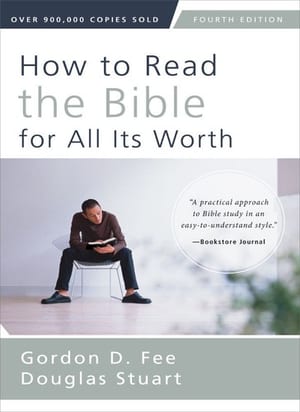
How to Read the Bible for All Its Worth
Gordon Fee & Douglas Stuart
View on Amazon →
Grasping God's Word
J. Scott Duvall & J. Daniel Hays
View on Amazon →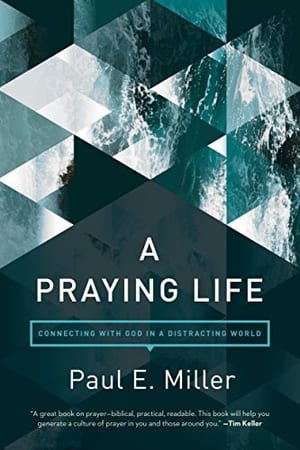
A Praying Life
Paul E. Miller
View on Amazon →
Women of the Word
Jen Wilkin
View on Amazon →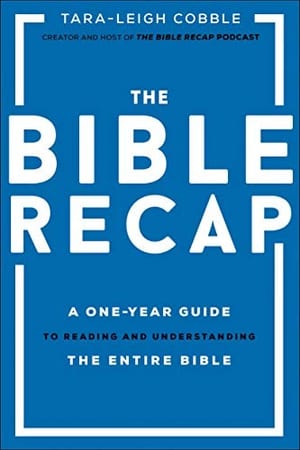
The Bible Recap
Tara-Leigh Cobble
View on Amazon →As an Amazon Associate we earn from qualifying purchases.