How to Pronounce
Leviticusleh-VIH-tih-kous
Hear the pronunciation of Leviticus
Click to play audio
Commentaries on This Book
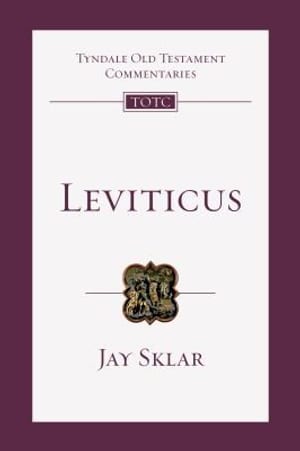
Leviticus (Tyndale Old Testament Commentaries)
Jay Sklar
View on Amazon →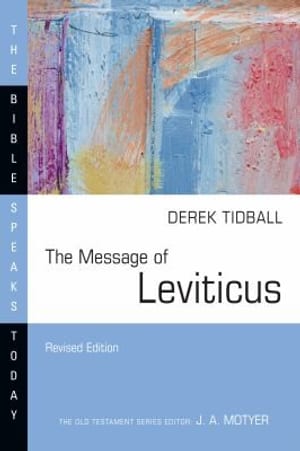
The Message of Leviticus
Derek Tidball
View on Amazon →As an Amazon Associate we earn from qualifying purchases.
Pronunciation Video
Watch on YouTube →Meaning
The correct way to pronounce Leviticus is leh-VIH-tih-kous, with the primary stress falling on the second syllable. If you're looking for guidance on how to pronounce Leviticus accurately, remember that the first syllable is short and unstressed, while "VIH" carries the emphasis. This pronunciation guide helps Bible teachers and students communicate the title clearly during study sessions and sermons.
Historical Context
Leviticus: Pronunciation and Meaning
The correct way to pronounce Leviticus is leh-VIH-tih-kous, with the primary stress falling on the second syllable. If you're looking for guidance on how to pronounce Leviticus accurately, remember that the first syllable is short and unstressed, while "VIH" carries the emphasis. This pronunciation guide helps Bible teachers and students communicate the title clearly during study sessions and sermons.
Etymology: A Name Rooted in Ancient Israel
The English title Leviticus comes from the Latin Liber Leviticus, meaning "the book of the Levites." The Hebrew name for this biblical book is Vayikra (וַיִּקְרָא), which means "and He called." This opening word reflects God's direct address to Moses, establishing the book's purpose from the very first verse. Understanding the etymology behind Leviticus pronunciation and its meaning helps readers grasp why this third book of the Bible emphasizes the Levitical priesthood and worship practices.
Biblical Significance and Content
Leviticus appears as the third book of the Torah (the Pentateuch) in the Hebrew Bible, immediately following Exodus. Written during Israel's wilderness wanderings, it contains detailed laws and instructions for the priesthood, sacrificial system, and ceremonial purity. The book opens in Leviticus 1:1, where God calls Moses into the tabernacle to deliver instructions about offerings and worship.
The Levites were the priestly tribe of Israel, descendants of Levi, one of Jacob's twelve sons. Leviticus pronunciation guides often note that this book was essential for the Levites who served in the tabernacle and later the temple. It covers five main offerings, festivals, dietary laws, and holiness standards that separated Israel as God's chosen people.
Why Leviticus Matters Today
For Bible readers, Leviticus reveals God's character and His concern for holiness, justice, and proper worship. While New Testament believers aren't bound by these ceremonial laws, understanding them illuminates Christ's role as the ultimate high priest and final sacrifice. Whether you're pronouncing Leviticus correctly in a classroom or studying its theological depth, this book remains foundational to biblical comprehension.
How to Read, Study & Pray

How to Read the Bible for All Its Worth
Gordon Fee & Douglas Stuart
View on Amazon →
Grasping God's Word
J. Scott Duvall & J. Daniel Hays
View on Amazon →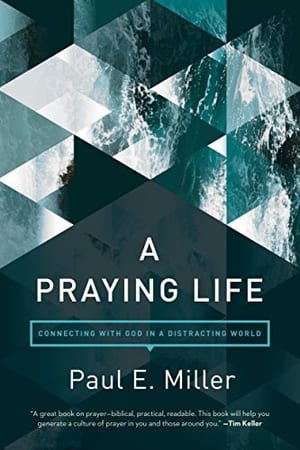
A Praying Life
Paul E. Miller
View on Amazon →
Women of the Word
Jen Wilkin
View on Amazon →
The Bible Recap
Tara-Leigh Cobble
View on Amazon →As an Amazon Associate we earn from qualifying purchases.