How to Pronounce
KidronKIHD-ruhn
Hear the pronunciation of Kidron
Click to play audio
New Testament Reading
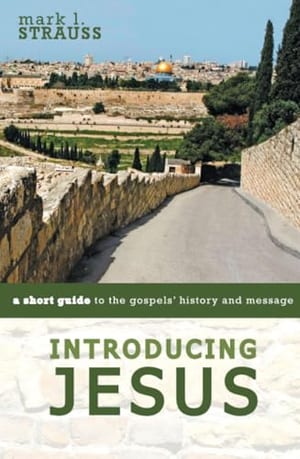
Introducing Jesus
Mark L. Strauss
View on Amazon →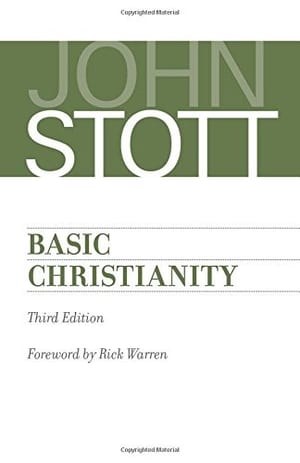
Basic Christianity
John Stott
View on Amazon →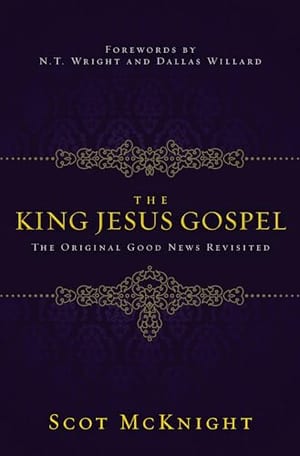
The King Jesus Gospel
Scot McKnight
View on Amazon →
Reading the Gospels Wisely
Jonathan T. Pennington
View on Amazon →
The Jesus I Never Knew
Philip Yancey
View on Amazon →As an Amazon Associate we earn from qualifying purchases.
Pronunciation Video
Watch on YouTube →Meaning
obscure; making black or sad
Historical Context
Kidron: Valley of Darkness and Divine Judgment
The name Kidron comes from Hebrew Qidrôn, derived from a root meaning "to make black" or "to darken." This etymology reflects the valley's spiritual and historical significance in Scripture—a place associated with sorrow, judgment, and separation from God's presence. Understanding how to pronounce Kidron correctly (KIHD-ruhn) helps readers engage more fully with the biblical narratives set there.
Geography and Biblical Significance
The Kidron Valley lies east of Jerusalem, running between the city and the Mount of Olives. Though small and seasonal in water flow, its appearance throughout Scripture reveals deep theological meaning. Pronouncing Kidron correctly matters when studying passages where this valley marks crucial spiritual boundaries—particularly in the Old Testament accounts of Israel's kings.
Where Kidron Appears in Scripture
The valley surfaces prominently in 2 Samuel 15:23, where King David flees Jerusalem during Absalom's rebellion, crossing the Kidron as an act of humiliation and exile. Later, 1 Kings 2:37 records Solomon's conditional pardon of Shimei, forbidding him from crossing the Kidron—crossing it meant death. This pattern establishes the Kidron as a threshold: crossing it signified departure from God's favor and Jerusalem's protection.
In the New Testament, John 18:1 mentions Jesus crossing the Kidron Valley on His way to Gethsemane the night before His crucifixion—a poignant detail emphasizing His voluntary separation from the city that rejected Him.
Why This Matters for Bible Readers
The Kidron's meaning—"making black or sad"—wasn't arbitrary. Ancient writers recognized the valley as a place of spiritual darkness and divine judgment. When biblical figures crossed it, they entered territory separated from Jerusalem's sanctuary. For pastors and teachers, knowing the Kidron pronunciation and its etymological weight enriches sermon preparation and student understanding. The valley becomes more than geography; it embodies the consequences of rebellion against God and the sorrow accompanying separation from His presence. Recognizing these layers transforms how readers encounter these narratives.
How to Read, Study & Pray

How to Read the Bible for All Its Worth
Gordon Fee & Douglas Stuart
View on Amazon →
Grasping God's Word
J. Scott Duvall & J. Daniel Hays
View on Amazon →
A Praying Life
Paul E. Miller
View on Amazon →
Women of the Word
Jen Wilkin
View on Amazon →
The Bible Recap
Tara-Leigh Cobble
View on Amazon →As an Amazon Associate we earn from qualifying purchases.