How to Pronounce
GazaGAH-zuh
Hear the pronunciation of Gaza
Click to play audio
Old Testament Reading

The Unfolding Mystery
Edmund P. Clowney
View on Amazon →
According to Plan
Graeme Goldsworthy
View on Amazon →
Introducing the Old Testament
Tremper Longman III
View on Amazon →
God's Big Picture
Vaughan Roberts
View on Amazon →
The Drama of Scripture
Bartholomew & Goheen
View on Amazon →As an Amazon Associate we earn from qualifying purchases.
Pronunciation Video
Watch on YouTube →Meaning
strong; a goat
Historical Context
Gaza: An Ancient Stronghold in Scripture
The name Gaza appears throughout the Old Testament as a major city and region in biblical history. Understanding how to pronounce Gaza correctly—GAH-zuh—is essential for pastors and Bible students navigating ancient Near Eastern geography and the conflicts that shaped Israel's early history.
Etymology and Original Meaning
Gaza derives from Hebrew origins, and its name carries the meaning of strength or stronghold. Some scholars also connect the etymology to the word for goat, though the stronghold interpretation dominates biblical scholarship. The name itself reflects Gaza's strategic importance as a fortified city and trading hub along the Mediterranean coast.
Biblical Significance and Key Appearances
Gaza appears prominently in Scripture as one of the five major Philistine cities. The most famous Gaza reference involves Samson, who carried away the city gates in Judges 16:1-3 and later died there when the Philistines captured him. The city also features in accounts of Judean kings and prophets, including references in 1 Samuel, 2 Kings, and the prophetic books of Isaiah and Jeremiah.
When pronouncing Gaza correctly in these contexts, readers gain better comprehension of Israel's border conflicts and territorial disputes with the Philistines—a recurring theme in the historical books.
Why Gaza Matters for Bible Readers
Gaza's role in Scripture extends beyond military encounters. The city represented Philistine power and resistance to Israelite expansion, making it a symbol of opposition to God's people. Understanding Gaza pronunciation and its historical context helps readers appreciate the geopolitical tensions underlying many biblical narratives.
For pastors teaching through Judges or the historical books, correctly pronouncing Gaza—along with grasping its meaning as a place of strength—enriches your congregation's understanding of how ancient geography shaped God's redemptive story. The city's repeated mention in Scripture underscores its enduring significance throughout Israel's monarchy and prophetic periods.
How to Read, Study & Pray

How to Read the Bible for All Its Worth
Gordon Fee & Douglas Stuart
View on Amazon →
Grasping God's Word
J. Scott Duvall & J. Daniel Hays
View on Amazon →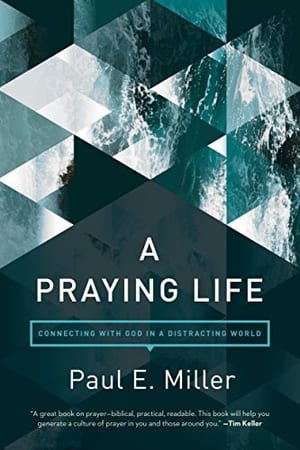
A Praying Life
Paul E. Miller
View on Amazon →
Women of the Word
Jen Wilkin
View on Amazon →
The Bible Recap
Tara-Leigh Cobble
View on Amazon →As an Amazon Associate we earn from qualifying purchases.