How to Pronounce
FrankincenseFRANGK-ihn-sehns
Hear the pronunciation of Frankincense
Click to play audio
Old Testament Reading
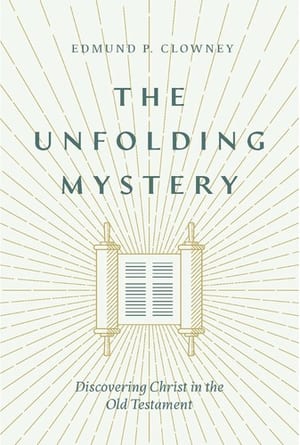
The Unfolding Mystery
Edmund P. Clowney
View on Amazon →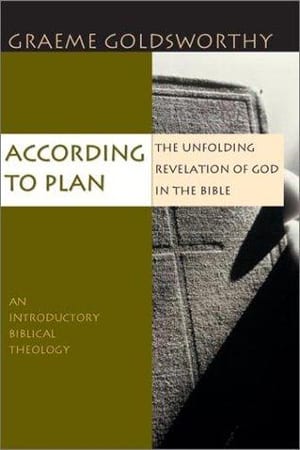
According to Plan
Graeme Goldsworthy
View on Amazon →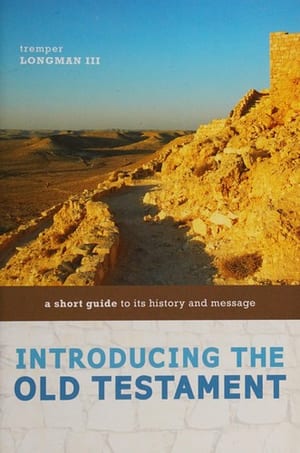
Introducing the Old Testament
Tremper Longman III
View on Amazon →
God's Big Picture
Vaughan Roberts
View on Amazon →
The Drama of Scripture
Bartholomew & Goheen
View on Amazon →As an Amazon Associate we earn from qualifying purchases.
Pronunciation Video
Watch on YouTube →Historical Context
Frankincense: The Sacred Resin of Scripture
Frankincense carries one of the most evocative names in the Bible, and how to pronounce Frankincense correctly—FRANGK-ihn-sehns—is the first step toward understanding its spiritual weight in Scripture. The word itself comes from Old French franc encens, meaning "high-quality incense," though the resin itself originated in the Arabian Peninsula and was traded along ancient spice routes for thousands of years.
The Original Language and Meaning
The Hebrew word for frankincense is lebonah (לְבוֹנָה), derived from a root meaning "to be white" or "to shine"—a fitting description for the pale, crystalline resin that hardens when exposed to air. When pronouncing Frankincense correctly, you're honoring a substance that ancient peoples considered precious enough to accompany royalty and worship.
Where Scripture Mentions Frankincense
Frankincense appears throughout the Old Testament as a component of temple worship. In Exodus 30:34–38, God commands Moses to include frankincense in the sacred incense burned in the tabernacle—a blend so holy that creating it for any other purpose was forbidden. The Psalms reference it as an offering of praise, and in Isaiah 60:6, the prophet envisions nations bringing frankincense to Jerusalem as tribute to God's glory.
But most readers know frankincense from the New Testament: the Magi's gift to the infant Jesus in Matthew 2:11. Alongside gold and myrrh, frankincense signified Jesus's kingship and divine nature—a recognition that this child would be both ruler and sacrifice.
Why This Matters for Bible Readers
Understanding Frankincense pronunciation and its biblical context reveals how ancient writers used material goods to convey spiritual truths. Frankincense wasn't merely aromatic; it was expensive, rare, and reserved for the most sacred moments. When you encounter it in Scripture, you're reading about something that represented the highest honor and deepest devotion in the ancient Near Eastern world.
How to Read, Study & Pray
How to Read the Bible for All Its Worth
Gordon Fee & Douglas Stuart
View on Amazon →
Grasping God's Word
J. Scott Duvall & J. Daniel Hays
View on Amazon →
A Praying Life
Paul E. Miller
View on Amazon →
Women of the Word
Jen Wilkin
View on Amazon →
The Bible Recap
Tara-Leigh Cobble
View on Amazon →As an Amazon Associate we earn from qualifying purchases.