How to Pronounce
AvenAY-vn
Hear the pronunciation of Aven
Click to play audio
Old Testament Reading

The Unfolding Mystery
Edmund P. Clowney
View on Amazon →
According to Plan
Graeme Goldsworthy
View on Amazon →
Introducing the Old Testament
Tremper Longman III
View on Amazon →
God's Big Picture
Vaughan Roberts
View on Amazon →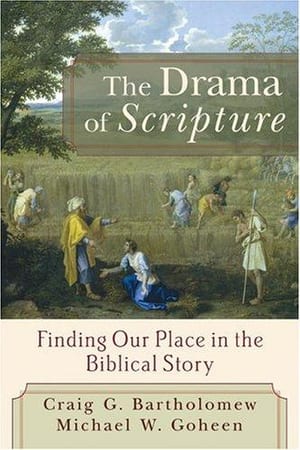
The Drama of Scripture
Bartholomew & Goheen
View on Amazon →As an Amazon Associate we earn from qualifying purchases.
Pronunciation Video
Watch on YouTube →Meaning
iniquity; force; riches; sorrow
Historical Context
Aven: A Word of Emptiness and Ruin
The Hebrew word aven (אָוֶן) carries weight in Scripture precisely because it describes spiritual and moral emptiness. Understanding how to pronounce Aven correctly—AY-vn—helps Bible readers recognize this term as it appears throughout the Old Testament, where it functions as a powerful descriptor of human corruption and divine judgment.
Etymology and Original Meaning
Derived from ancient Hebrew, aven encompasses multiple related concepts: iniquity, force, riches obtained through wrongdoing, and sorrow. The word's flexibility reflects the ancient worldview that linked moral corruption to material gain and emotional suffering. When pronouncing Aven in biblical contexts, you're essentially voicing a condition of spiritual disorder.
Biblical Significance and Usage
The term appears most notably in Psalm 66:18, where the psalmist declares that God will not hear prayers if one "regards iniquity in [one's] heart"—using the Hebrew aven. Similarly, Proverbs 22:8 warns that "he who sows iniquity will reap sorrow," again employing this potent word. The prophets, particularly Hosea and Amos, use aven extensively when condemning Israel's social injustice and false worship.
Hosea 10:8 references "the high places of Aven," suggesting both a literal place associated with idolatry and a spiritual condition of emptiness. This dual usage—place name and moral descriptor—demonstrates how thoroughly the concept permeated Hebrew thought.
Why This Word Matters
For modern Bible students, Aven pronunciation and understanding go hand-in-hand with grasping Old Testament theology. The word reveals how ancient Israel understood sin not as abstract wrongdoing but as a tangible force producing concrete consequences. Pronouncing Aven correctly during study or teaching emphasizes the seriousness of the concept.
When you encounter aven in your reading, you're encountering biblical language that connects moral failure to human suffering. This connection—central to wisdom literature and prophetic books—remains theologically significant for interpreting Scripture's message about righteousness and judgment.
How to Read, Study & Pray

How to Read the Bible for All Its Worth
Gordon Fee & Douglas Stuart
View on Amazon →
Grasping God's Word
J. Scott Duvall & J. Daniel Hays
View on Amazon →
A Praying Life
Paul E. Miller
View on Amazon →
Women of the Word
Jen Wilkin
View on Amazon →
The Bible Recap
Tara-Leigh Cobble
View on Amazon →As an Amazon Associate we earn from qualifying purchases.