How to Pronounce
Assyriaa-SIHR-ee-uh
Hear the pronunciation of Assyria
Click to play audio
Old Testament Reading
The Unfolding Mystery
Edmund P. Clowney
View on Amazon →
According to Plan
Graeme Goldsworthy
View on Amazon →
Introducing the Old Testament
Tremper Longman III
View on Amazon →
God's Big Picture
Vaughan Roberts
View on Amazon →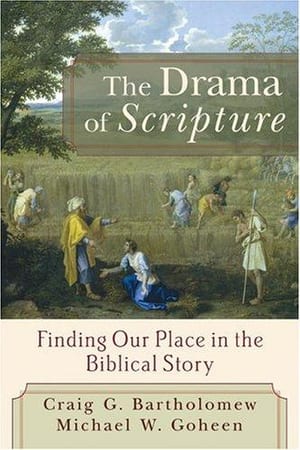
The Drama of Scripture
Bartholomew & Goheen
View on Amazon →As an Amazon Associate we earn from qualifying purchases.
Pronunciation Video
Watch on YouTube →Meaning
country of Assur or Ashur
Historical Context
Assyria: Ancient Empire of the Bible
Assyria pronunciation is straightforward once you break it down: a-SIHR-ee-uh. The name derives from Assur (or Ashur), the chief god of the Assyrian pantheon and the name of the empire's original heartland in Mesopotamia. When pronouncing Assyria correctly, emphasize the second syllable—SIHR—and let the final syllables flow naturally.
Etymology and Historical Roots
The term "Assyria" refers to the country of Assur, named after both the god and the ancient city that served as the empire's religious and political center. Located in northern Mesopotamia (modern-day Iraq), Assyria grew from a city-state into one of history's most powerful and feared empires, dominating the ancient Near East from roughly the 25th century BCE through 609 BCE.
Assyria in Scripture
Assyria appears frequently throughout the Old Testament, particularly in the historical books and prophets. The kingdom emerges prominently during the reigns of Hezekiah and Manasseh in Judah. In 2 Kings 17, we read of Assyria's conquest of the northern kingdom of Israel, with the Assyrian king Shalmaneser V besieging Samaria. The famous "lost tribes of Israel" were deported by Assyria, scattered throughout the empire's territories.
The prophets Isaiah, Jeremiah, and Nahum all address Assyria extensively. Isaiah 10 describes God using Assyria as an instrument of judgment against unfaithful Israel, while Nahum's entire book pronounces God's judgment against Nineveh, Assyria's great capital city.
Why Assyria Matters for Bible Readers
Understanding Assyria's role helps readers grasp the geopolitical context of Israel's divided monarchy and the consequences of spiritual unfaithfulness. The empire represents divine judgment in Scripture, yet also demonstrates God's sovereignty over nations. For anyone studying how to pronounce Assyria correctly in Bible study or teaching contexts, remembering a-SIHR-ee-uh ensures clear communication when discussing these pivotal historical and theological passages.
How to Read, Study & Pray

How to Read the Bible for All Its Worth
Gordon Fee & Douglas Stuart
View on Amazon →
Grasping God's Word
J. Scott Duvall & J. Daniel Hays
View on Amazon →
A Praying Life
Paul E. Miller
View on Amazon →
Women of the Word
Jen Wilkin
View on Amazon →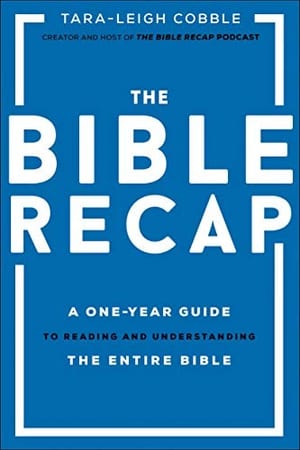
The Bible Recap
Tara-Leigh Cobble
View on Amazon →As an Amazon Associate we earn from qualifying purchases.