How to Pronounce
AspensAS-pehnz
Hear the pronunciation of Aspens
Click to play audio
Old Testament Reading

The Unfolding Mystery
Edmund P. Clowney
View on Amazon →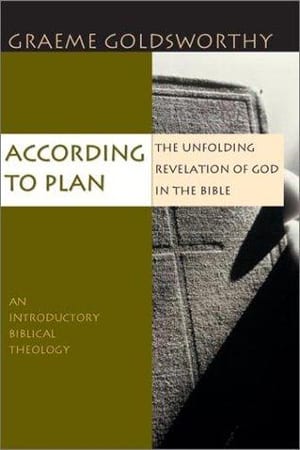
According to Plan
Graeme Goldsworthy
View on Amazon →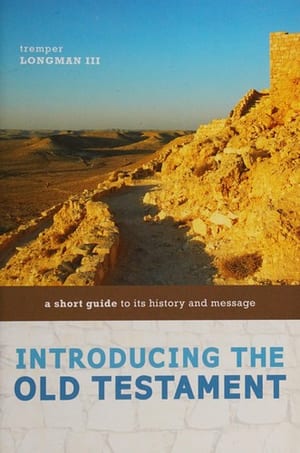
Introducing the Old Testament
Tremper Longman III
View on Amazon →
God's Big Picture
Vaughan Roberts
View on Amazon →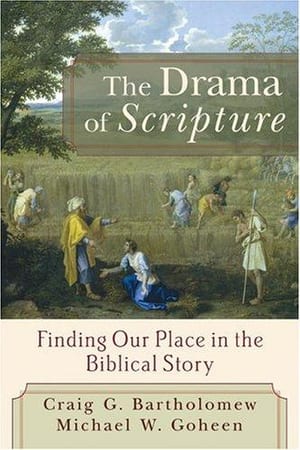
The Drama of Scripture
Bartholomew & Goheen
View on Amazon →As an Amazon Associate we earn from qualifying purchases.
Pronunciation Video
Watch on YouTube →Historical Context
Aspens: A Tree of Biblical Significance
The word Aspens (pronounced AS-pehnz) refers to a type of poplar tree native to the Middle East and Mediterranean regions. In biblical Hebrew, the term likely derives from words describing the tree's distinctive trembling leaves—a characteristic so pronounced that ancient peoples noticed and named the tree for this very feature.
Where Aspens Appear in Scripture
Aspens are mentioned in the Old Testament, most notably in 2 Samuel 5:23-24, where David receives divine instruction to listen for the sound of marching in the tops of the aspen trees as a sign of God's presence and guidance in battle. This passage demonstrates how aspens held both practical and spiritual significance for ancient Israel. The rustling sound of their leaves in wind made them natural markers for divine communication in Hebrew thought.
The tree also appears in Psalm 104 and other passages where trees are listed among God's creation, emphasizing the natural world as evidence of divine provision and wisdom.
Understanding Aspens Pronunciation Correctly
Getting the Aspens pronunciation right—AS-pehnz—helps Bible readers engage more authentically with Scripture. The emphasis falls on the first syllable, with a short "a" sound, followed by "pehnz" with a soft "e." When you're pronouncing Aspens correctly in a classroom or pulpit setting, you're honoring the botanical and cultural context the biblical authors intended.
Why This Matters for Bible Study
Understanding what aspens actually are enhances comprehension of David's battle narrative. The aspen's trembling leaves create an audible, distinctive rustling—making it a plausible and poetic choice for God's communication. Rather than viewing this as merely decorative language, recognizing the aspen's natural characteristics reveals the sophistication of biblical metaphor and the authors' keen observation of the natural world.
For teachers and preachers, knowing how to pronounce Aspens with confidence and understanding their ecological role enriches biblical exposition and connects ancient Near Eastern reality with modern readers.
How to Read, Study & Pray

How to Read the Bible for All Its Worth
Gordon Fee & Douglas Stuart
View on Amazon →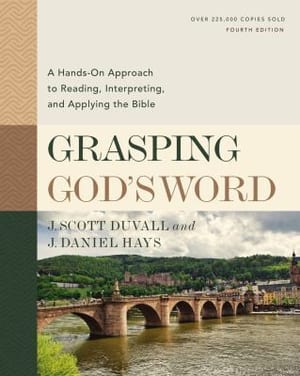
Grasping God's Word
J. Scott Duvall & J. Daniel Hays
View on Amazon →
A Praying Life
Paul E. Miller
View on Amazon →
Women of the Word
Jen Wilkin
View on Amazon →
The Bible Recap
Tara-Leigh Cobble
View on Amazon →As an Amazon Associate we earn from qualifying purchases.