How to Pronounce
AsherASH-er
Hear the pronunciation of Asher
Click to play audio
Old Testament Reading

The Unfolding Mystery
Edmund P. Clowney
View on Amazon →
According to Plan
Graeme Goldsworthy
View on Amazon →
Introducing the Old Testament
Tremper Longman III
View on Amazon →
God's Big Picture
Vaughan Roberts
View on Amazon →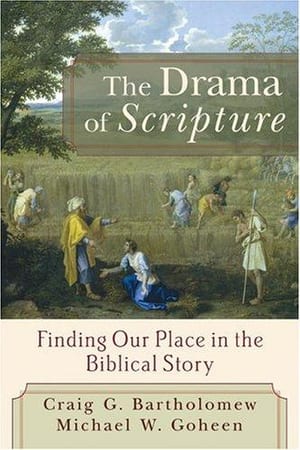
The Drama of Scripture
Bartholomew & Goheen
View on Amazon →As an Amazon Associate we earn from qualifying purchases.
Pronunciation Video
Watch on YouTube →Meaning
happiness
Historical Context
Asher: The Name of Happiness in Scripture
The name Asher carries a meaning as positive as its sound. Derived from the Hebrew word ʾāšēr, it literally translates to "happiness" or "blessed." The root connects to the concept of being fortunate or favored, making this one of the most optimistic names in the biblical tradition. Understanding the Asher pronunciation — ASH-er — helps readers recognize this name when they encounter it in Scripture and appreciate its joyful etymology.
Biblical Significance and Appearance
Asher first appears as one of the twelve sons of Jacob in Genesis 30:13. His mother, Leah, named him with explicit joy, saying, "Happy am I!" (Genesis 30:13, KJV). This wasn't a casual choice; Leah's declaration reveals how deeply the meaning of happiness was embedded in the name from its origin. Asher became the founder of one of Israel's twelve tribes, and his descendants occupied territory in the northern regions of Canaan.
The Tribe of Asher receives mention throughout the Old Testament, particularly in the tribal blessings found in Deuteronomy 33:24-25. Moses pronounces that Asher would be "blessed of children" and have oil under his feet — poetic language suggesting prosperity and abundance. This blessing reinforces the positive connotations the name carried throughout Israel's history.
Why Asher Matters for Bible Readers
Knowing how to pronounce Asher correctly helps readers connect with the narrative flow of Scripture. When you encounter references to the Tribe of Asher or its members, you're reading about people whose ancestral name embodied a spiritual truth: that blessing and happiness come from God. The name wasn't merely a label — it was a declaration of faith.
For pastors and teachers, pronouncing Asher accurately while discussing tribal inheritance, the promised land, or Jacob's family strengthens your credibility and helps your audience engage more deeply with the text. The consistent positive associations of this name throughout Scripture make it a subtle but meaningful thread in understanding Israel's identity and God's covenant promises.
How to Read, Study & Pray

How to Read the Bible for All Its Worth
Gordon Fee & Douglas Stuart
View on Amazon →
Grasping God's Word
J. Scott Duvall & J. Daniel Hays
View on Amazon →
A Praying Life
Paul E. Miller
View on Amazon →
Women of the Word
Jen Wilkin
View on Amazon →
The Bible Recap
Tara-Leigh Cobble
View on Amazon →As an Amazon Associate we earn from qualifying purchases.