How to Pronounce
Arimatheaehr-uh-muh-THEE-uh
Hear the pronunciation of Arimathea
Click to play audio
New Testament Reading
Introducing Jesus
Mark L. Strauss
View on Amazon →
Basic Christianity
John Stott
View on Amazon →
The King Jesus Gospel
Scot McKnight
View on Amazon →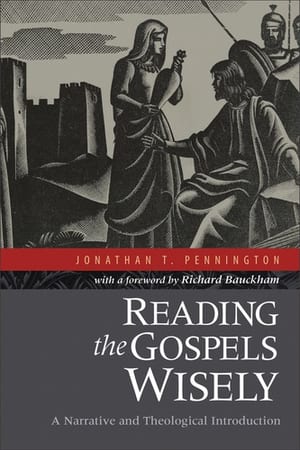
Reading the Gospels Wisely
Jonathan T. Pennington
View on Amazon →
The Jesus I Never Knew
Philip Yancey
View on Amazon →As an Amazon Associate we earn from qualifying purchases.
Pronunciation Video
Watch on YouTube →Meaning
a lion dead to the Lord
Historical Context
Arimathea: A Place of Burial and Redemption
Arimathea appears in the Gospel accounts as the hometown of Joseph, the wealthy member of the Sanhedrin who requested Jesus' body after the crucifixion. Understanding how to pronounce Arimathea correctly—ehr-uh-muh-THEE-uh—helps Bible readers engage more deeply with this significant location in the passion narrative.
Etymology and Original Language
The name Arimathea derives from Hebrew origins, with the meaning "a lion dead to the Lord" or alternatively "height of the Lord." The exact etymological breakdown reflects the poetic naming conventions of biblical place names, where geographical or spiritual significance shaped how communities were identified. This Hebrew root carries weight beyond mere geography—it speaks to themes of strength surrendered and divine purpose.
Biblical Significance and Scripture References
Arimathea pronunciation becomes important when studying the crucifixion accounts found in all four Gospels. Matthew 27:57, Mark 15:43, Luke 23:51, and John 19:38 all reference Joseph of Arimathea. This repetition across multiple Gospel accounts underscores the historical and spiritual importance of this figure and his town.
Joseph's role was pivotal: after Jesus' death, he approached Pilate and requested the body for burial. Matthew describes him as a "rich man," while Mark and Luke emphasize he was a "member of the council" (Sanhedrin) who "was looking for the kingdom of God." His willingness to publicly associate with Jesus—risking his reputation and position—made him a model of faithful discipleship at Christianity's most critical moment.
Why Arimathea Matters for Bible Readers
Pronouncing Arimathea correctly matters because it anchors us to a real place with real historical significance. Joseph's town, though small and easily overlooked, became forever linked to the gospel narrative. His act of providing a tomb fulfilled Isaiah's prophecy about the Messiah being "with the rich in his death" (Isaiah 53:9).
For pastors and Bible students, understanding Arimathea's meaning and location enriches sermon preparation and study. It reminds us that even minor characters and places in Scripture serve God's redemptive plan, and that faithful obedience—even costly obedience—finds its place in the eternal story.
How to Read, Study & Pray

How to Read the Bible for All Its Worth
Gordon Fee & Douglas Stuart
View on Amazon →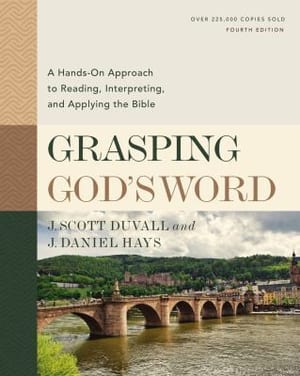
Grasping God's Word
J. Scott Duvall & J. Daniel Hays
View on Amazon →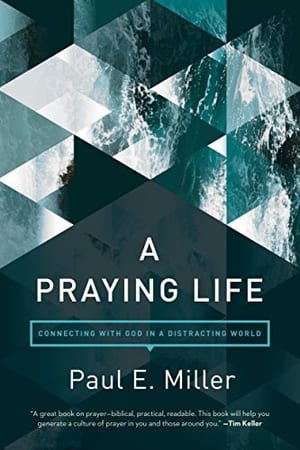
A Praying Life
Paul E. Miller
View on Amazon →
Women of the Word
Jen Wilkin
View on Amazon →
The Bible Recap
Tara-Leigh Cobble
View on Amazon →As an Amazon Associate we earn from qualifying purchases.