
How to Pronounce
Archelausahr-kee-LAY-uhs
Hear the pronunciation of Archelaus
Click to play audio
New Testament Reading
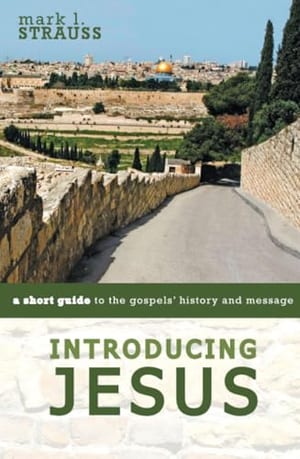
Introducing Jesus
Mark L. Strauss
View on Amazon →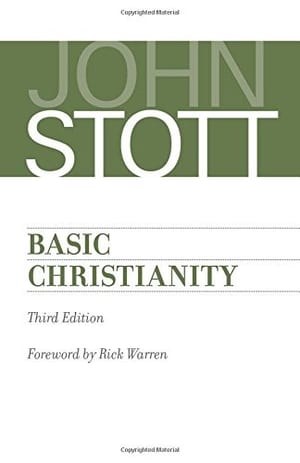
Basic Christianity
John Stott
View on Amazon →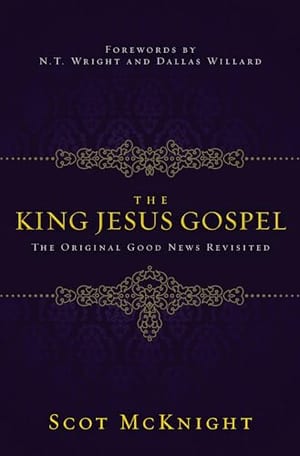
The King Jesus Gospel
Scot McKnight
View on Amazon →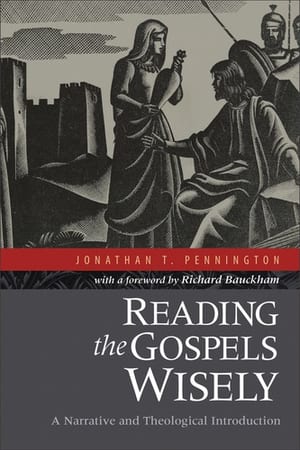
Reading the Gospels Wisely
Jonathan T. Pennington
View on Amazon →
The Jesus I Never Knew
Philip Yancey
View on Amazon →As an Amazon Associate we earn from qualifying purchases.
Pronunciation Video
Watch on YouTube →Meaning
the prince of the people
Historical Context
Archelaus: The Ethnarch Who Ruled Judea
Archelaus (ahr-kee-LAY-uhs) was a first-century Jewish ruler whose name carries significant historical weight in the New Testament. The name itself comes from Greek roots: archi (meaning "ruler" or "chief") combined with laos (meaning "people"). Together, the name literally means "the prince of the people" or "ruler of the people"—a fitting title for someone appointed to govern.
Who Was Archelaus in Scripture?
Archelaus appears briefly but importantly in Matthew 2:22, where the evangelist notes that Joseph avoided traveling to Judea because he feared Archelaus. This single reference is crucial for understanding Jesus's early life and the political landscape of first-century Palestine. When Herod the Great died around 4 BCE, his kingdom was divided among his sons. Archelaus received Judea, Samaria, and Idumea—the most prestigious portion—though he was given the title of ethnarch rather than king.
Historical and Biblical Significance
Understanding how to pronounce Archelaus correctly helps Bible readers grasp the historical context of Jesus's infancy narrative. Archelaus was notoriously brutal and incompetent, earning a reputation for cruelty that justified Joseph's caution. His misrule was so severe that within a decade, the Roman prefect Coponius replaced him, ending Archelaus's reign entirely by 6 CE.
For Bible students, pronouncing Archelaus accurately opens up deeper appreciation for Matthew's narrative. The evangelist's mention of this specific ruler demonstrates his historical precision and adds authenticity to the Gospel account. Joseph's fear wasn't paranoid—it reflected the genuine danger posed by an unpredictable despot.
Why This Matters for Modern Readers
Archelaus pronunciation and historical background illuminate an often-overlooked detail in the Christmas story. When you understand who Archelaus was and why Joseph feared him, the Holy Family's journey gains new dimension. This brief biblical reference connects us to real political tensions, genuine dangers, and the protective providence of God guiding Jesus through treacherous circumstances in occupied Palestine.
How to Read, Study & Pray

How to Read the Bible for All Its Worth
Gordon Fee & Douglas Stuart
View on Amazon →
Grasping God's Word
J. Scott Duvall & J. Daniel Hays
View on Amazon →
A Praying Life
Paul E. Miller
View on Amazon →
Women of the Word
Jen Wilkin
View on Amazon →
The Bible Recap
Tara-Leigh Cobble
View on Amazon →As an Amazon Associate we earn from qualifying purchases.
