
How to Pronounce
Apocryphauh-PAH-krih-fuh
Hear the pronunciation of Apocrypha
Click to play audio
New Testament Reading
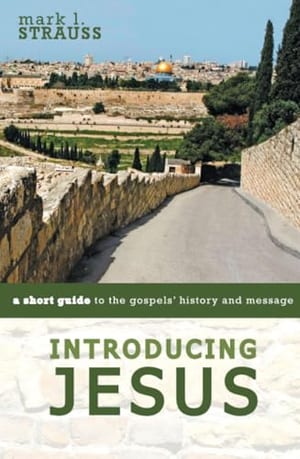
Introducing Jesus
Mark L. Strauss
View on Amazon →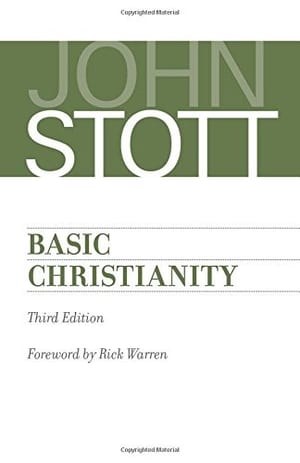
Basic Christianity
John Stott
View on Amazon →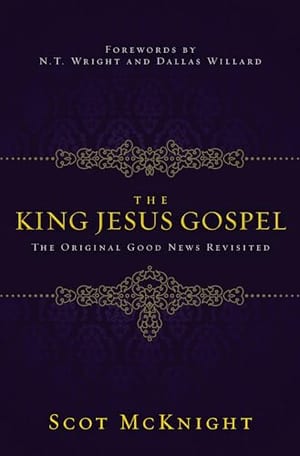
The King Jesus Gospel
Scot McKnight
View on Amazon →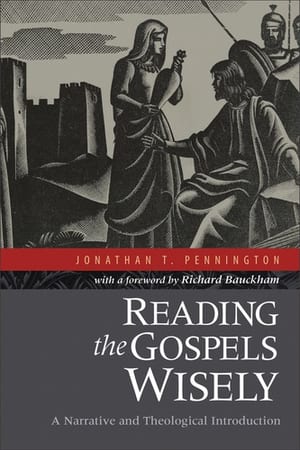
Reading the Gospels Wisely
Jonathan T. Pennington
View on Amazon →
The Jesus I Never Knew
Philip Yancey
View on Amazon →As an Amazon Associate we earn from qualifying purchases.
Pronunciation Video
Watch on YouTube →Meaning
hidden
Historical Context
Apocrypha: Understanding This Important Biblical Category
The word Apocrypha comes from the Greek apokryphos (ἀπόκρυφος), meaning "hidden" or "secret." Learning how to pronounce Apocrypha correctly—uh-PAH-krih-fuh—is essential for anyone studying Bible translations, church history, or religious literature. The term itself reveals much about why these texts earned their classification.
What Are the Apocryphal Books?
The Apocrypha refers to a collection of ancient Jewish and Christian writings composed between roughly 300 and 100 BCE. These texts appear in Catholic and Orthodox biblical canons but are excluded from Protestant Bibles. Common apocryphal books include Tobit, Judith, the Wisdom of Solomon, Sirach (Ecclesiasticus), Baruch, and the books of Maccabees. Pronouncing Apocrypha correctly helps readers discuss these texts with theological precision in academic and church settings.
Why Were They Called "Hidden"?
The Greek designation reflects the ancient understanding that these writings contained esoteric or concealed knowledge. Some were considered too obscure for general use, while others were excluded from the Hebrew Bible's official canon. Understanding Apocrypha pronunciation and meaning matters because it clarifies why Christian traditions differ on biblical authority.
Biblical Significance and Modern Relevance
Though not considered canonical in most Protestant churches, the Apocrypha provides invaluable historical context for the intertestamental period—the roughly 400 years between Malachi and Matthew. The books of Maccabees, for example, document Jewish resistance to Greek persecution, while Wisdom literature offers philosophical insights aligned with biblical themes.
Catholic and Orthodox Christians recognize apocryphal texts as deuterocanonical—"second canon"—meaning they hold scriptural authority. The Letter of James references the book of Enoch (considered apocryphal by most traditions), and Jude explicitly quotes it in Jude 1:14. This demonstrates how apocryphal material influenced New Testament writers.
Why This Matters for Bible Readers
Knowing how to pronounce Apocrypha and understanding its definition helps readers navigate different Bible translations. Catholic editions include apocryphal books; Protestant editions do not. Recognizing this distinction prevents confusion when comparing versions or studying with people from different faith traditions. For pastors and teachers, mastering Apocrypha pronunciation demonstrates credibility when addressing canonical questions with congregations.
How to Read, Study & Pray

How to Read the Bible for All Its Worth
Gordon Fee & Douglas Stuart
View on Amazon →
Grasping God's Word
J. Scott Duvall & J. Daniel Hays
View on Amazon →
A Praying Life
Paul E. Miller
View on Amazon →
Women of the Word
Jen Wilkin
View on Amazon →
The Bible Recap
Tara-Leigh Cobble
View on Amazon →As an Amazon Associate we earn from qualifying purchases.
