How to Pronounce
Antiochusan-TAI-uh-kuhs
Hear the pronunciation of Antiochus
Click to play audio
New Testament Reading

Introducing Jesus
Mark L. Strauss
View on Amazon →
Basic Christianity
John Stott
View on Amazon →
The King Jesus Gospel
Scot McKnight
View on Amazon →
Reading the Gospels Wisely
Jonathan T. Pennington
View on Amazon →
The Jesus I Never Knew
Philip Yancey
View on Amazon →As an Amazon Associate we earn from qualifying purchases.
Pronunciation Video
Watch on YouTube →Historical Context
Antiochus: Name and Pronunciation
The name Antiochus comes from the Greek Antiochos (Ἀντίοχος), derived from two Greek elements: anti (against) and ochē (to hold or possess). The name literally means "against holding" or "holding against," though it was commonly used in the Hellenistic world simply as a royal title without reference to its etymological meaning.
When learning how to pronounce Antiochus correctly, remember the stress falls on the second syllable: an-TAI-uh-kuhs. The first syllable is short and unstressed, the second is long and accented, and the final two syllables are reduced. Pronouncing Antiochus accurately helps Bible readers and teachers communicate clearly when discussing this important historical figure.
Biblical Significance and Historical Context
Antiochus refers primarily to Antiochus IV Epiphanes (215–164 BCE), a Syrian-Greek king of the Seleucid Empire whose reign profoundly affected Jewish history and religious practice. He appears prominently in the books of 1 Maccabees and 2 Maccabees, as well as in the prophetic visions of Daniel 8:9–14 and Daniel 11:21–35.
Antiochus IV is remembered chiefly for his persecution of the Jewish people. He desecrated the Second Temple in Jerusalem around 167 BCE by erecting a pagan altar and forbidding Jewish religious observances—including circumcision, Sabbath observance, and dietary laws. These actions triggered the Maccabean Revolt, a Jewish resistance movement that ultimately reclaimed religious freedom and rededicated the Temple, an event commemorated in Hanukkah.
Why Antiochus Matters for Bible Readers
Understanding Antiochus's Antiochus pronunciation and role is essential for comprehending intertestamental Jewish history and the political backdrop of the New Testament era. The conflict between Antiochus and the Jewish people shaped Jewish identity, strengthened religious conviction, and demonstrated the community's willingness to resist religious coercion.
For Bible students, Antiochus represents a historical fulfillment of Daniel's prophecies and exemplifies the broader Hellenistic pressures facing Judaism during the Second Temple period. His legacy appears indirectly throughout New Testament discussions of Jewish practice and identity.
How to Read, Study & Pray

How to Read the Bible for All Its Worth
Gordon Fee & Douglas Stuart
View on Amazon →
Grasping God's Word
J. Scott Duvall & J. Daniel Hays
View on Amazon →
A Praying Life
Paul E. Miller
View on Amazon →
Women of the Word
Jen Wilkin
View on Amazon →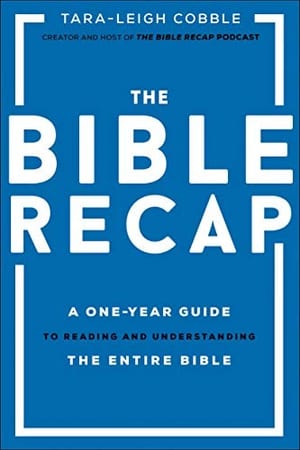
The Bible Recap
Tara-Leigh Cobble
View on Amazon →As an Amazon Associate we earn from qualifying purchases.