How to Pronounce
AmozAY-muhz
Hear the pronunciation of Amoz
Click to play audio
Recommended Reading
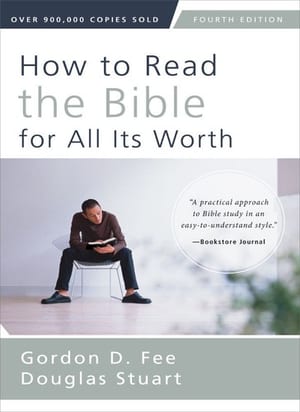
How to Read the Bible for All Its Worth
Gordon Fee & Douglas Stuart
View on Amazon →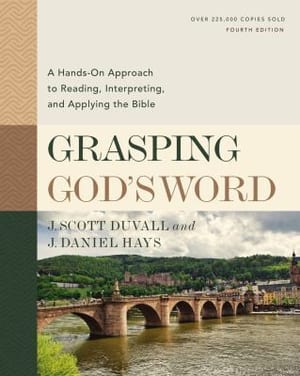
Grasping God's Word
J. Scott Duvall & J. Daniel Hays
View on Amazon →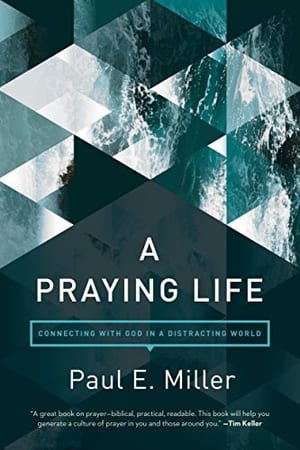
A Praying Life
Paul E. Miller
View on Amazon →
Women of the Word
Jen Wilkin
View on Amazon →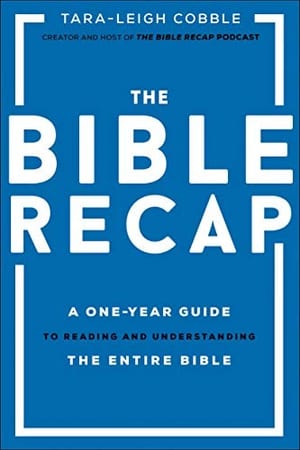
The Bible Recap
Tara-Leigh Cobble
View on Amazon →As an Amazon Associate we earn from qualifying purchases.
Pronunciation Video
Watch on YouTube →Meaning
strong; robust
Historical Context
Amoz: Father of the Prophet Isaiah
Amoz (pronounced AY-muhz) appears only a handful of times in Scripture, yet his name carries significant weight in biblical history. The name derives from Hebrew roots meaning "strong" or "robust," reflecting the kind of steadfast character expected of those who would father prophets and shape spiritual legacies.
Etymology and Meaning
The Hebrew name עמוץ (Amoz) connects to the verb meaning "to be strong" or "to be mighty." This etymology suggests a person of vigor and stability—qualities that would prove relevant to his son's prophetic calling. When pronouncing Amoz correctly, remember the long "A" sound at the start, followed by a soft "muhz" ending: AY-muhz.
Biblical Significance and Scripture References
Amoz is remembered primarily as the father of Isaiah, one of Israel's greatest prophets. He appears by name in 2 Kings 19:2, 2 Kings 20:1, and Isaiah 1:1, where the prophet's lineage is established. These references, though brief, serve to anchor Isaiah's authority and calling within a family line.
Beyond these direct mentions, Amoz's name appears in the superscriptions of Isaiah's prophecies. The book opens with "The vision of Isaiah the son of Amoz," immediately establishing both the prophet's identity and his familial connection. This wasn't mere genealogy—in ancient Israel, a person's lineage carried spiritual and prophetic weight.
Why Amoz Matters for Bible Readers
Understanding how to pronounce Amoz correctly helps readers engage more deeply with Isaiah's prophecies. When you encounter his name while reading Scripture, you're connecting with the family structure that produced one of the Bible's most influential voices. Amoz himself remains largely unknown to us, yet his legacy endures through his son's remarkable contributions to biblical theology and messianic prophecy.
For pastors, teachers, and serious Bible students, pronouncing Amoz accurately demonstrates respect for the text and helps communicate Isaiah's context more effectively to others. Though Amoz never speaks in Scripture himself, his presence reminds us that even those who remain quiet in the biblical narrative shaped the leaders and prophets who transformed Israel's spiritual history.
How to Read, Study & Pray
How to Read the Bible for All Its Worth
Gordon Fee & Douglas Stuart
View on Amazon →Grasping God's Word
J. Scott Duvall & J. Daniel Hays
View on Amazon →A Praying Life
Paul E. Miller
View on Amazon →Women of the Word
Jen Wilkin
View on Amazon →The Bible Recap
Tara-Leigh Cobble
View on Amazon →As an Amazon Associate we earn from qualifying purchases.