How to Pronounce
AlphaeusAL-fee-uhs
Hear the pronunciation of Alphaeus
Click to play audio
New Testament Reading

Introducing Jesus
Mark L. Strauss
View on Amazon →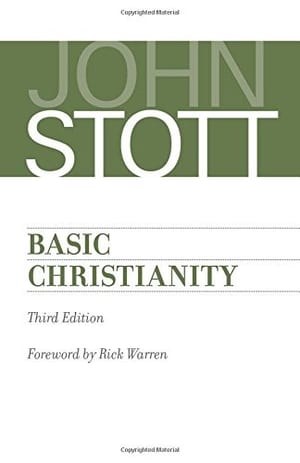
Basic Christianity
John Stott
View on Amazon →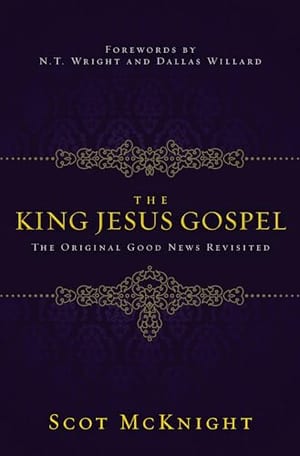
The King Jesus Gospel
Scot McKnight
View on Amazon →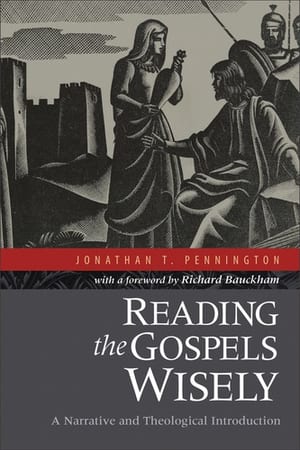
Reading the Gospels Wisely
Jonathan T. Pennington
View on Amazon →
The Jesus I Never Knew
Philip Yancey
View on Amazon →As an Amazon Associate we earn from qualifying purchases.
Pronunciation Video
Watch on YouTube →Historical Context
Alphaeus: Understanding This Apostolic Name
The name Alphaeus appears several times in the New Testament, yet many Bible readers stumble over its pronunciation. How to pronounce Alphaeus correctly is straightforward once you break it down: AL-fee-uhs, with the stress on the first syllable and a soft ending.
Etymology and Original Language
Alphaeus comes from the Greek Alphaios (Ἀλφαῖος), which itself derives from the Aramaic name Halphay or Chalphay. The name likely means "thousand" or relates to numerical significance in Semitic languages, though scholars debate the exact etymology. What's certain is that it was a common Jewish name during the first century, making pronouncing Alphaeus correctly essential for Bible teachers who reference these figures.
Who Was Alphaeus in Scripture?
The most prominent Alphaeus in the Bible is the father of James the Less, one of Jesus's twelve apostles. This James appears in the Gospel accounts (Matthew 10:3, Mark 3:18, Luke 6:15) and in Acts 1:13. A second figure named Alphaeus was the father of Levi (Matthew), the tax collector turned disciple, mentioned in Mark 2:14. Some scholars suggest these may be the same person, though the gospels don't confirm this directly.
The Alphaeus pronunciation matters particularly for preachers and teachers working through the apostolic lists in the Gospels, where distinguishing between similar names prevents confusion for congregations.
Why This Name Matters
While Alphaeus himself never speaks in Scripture, understanding his role connects modern readers to the extended family networks of Jesus's inner circle. Recognizing Alphaeus pronunciation and remembering that he fathered at least one apostle reminds us that discipleship often ran through families and households in the early church.
For serious Bible students, mastering names like Alphaeus—their sounds, origins, and biblical significance—deepens comprehension of Gospel narratives and the historical context of early Christianity.
How to Read, Study & Pray

How to Read the Bible for All Its Worth
Gordon Fee & Douglas Stuart
View on Amazon →
Grasping God's Word
J. Scott Duvall & J. Daniel Hays
View on Amazon →
A Praying Life
Paul E. Miller
View on Amazon →
Women of the Word
Jen Wilkin
View on Amazon →
The Bible Recap
Tara-Leigh Cobble
View on Amazon →As an Amazon Associate we earn from qualifying purchases.