
How to Pronounce
AhazAY-haz
Hear the pronunciation of Ahaz
Click to play audio
Old Testament Reading

The Unfolding Mystery
Edmund P. Clowney
View on Amazon →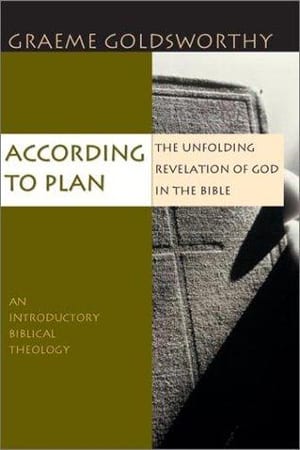
According to Plan
Graeme Goldsworthy
View on Amazon →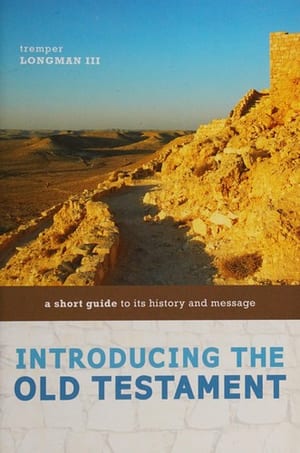
Introducing the Old Testament
Tremper Longman III
View on Amazon →
God's Big Picture
Vaughan Roberts
View on Amazon →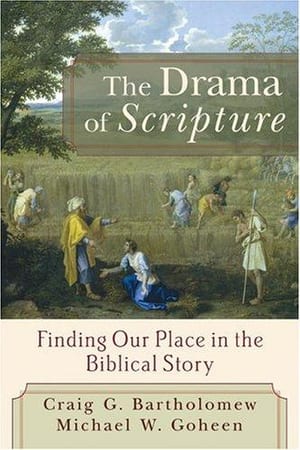
The Drama of Scripture
Bartholomew & Goheen
View on Amazon →As an Amazon Associate we earn from qualifying purchases.
Pronunciation Video
Watch on YouTube →Meaning
one that takes or possesses
Historical Context
Ahaz: King of Judah and His Troubled Legacy
The name Ahaz carries weight in biblical history, particularly in the Old Testament accounts of Judah's monarchy. Understanding how to pronounce Ahaz correctly—AY-haz—helps readers engage more fully with the historical narratives where this king appears.
Etymology and Meaning
Ahaz derives from Hebrew origins, with the root meaning "one that takes or possesses." This etymology reflects the ancient naming convention of describing either a child's birth circumstances or parental hopes. The name suggests possession or acquisition, a fitting designation for a royal figure, though Ahaz's reign would test whether he truly "possessed" the wisdom his position demanded.
Who Was Ahaz in Scripture?
King Ahaz ruled Judah during the 8th century BCE, reigning approximately 735–715 BCE. His story unfolds primarily in 2 Kings 16 and 2 Chronicles 28, with significant prophetic attention in Isaiah 7. Ahaz ascended to the throne at age twenty and immediately faced military threats from Israel and Syria—a crisis that tested his faith and political judgment.
Rather than trust God's promise through the prophet Isaiah, Ahaz sought security through an alliance with Assyria, fundamentally altering Judah's trajectory. This decision marked a spiritual turning point, as pronouncing Ahaz correctly in your reading becomes less important than understanding his pivotal choices. He even introduced pagan worship practices into the temple, stripping it of its golden furnishings to pay tribute to Assyria.
Why Ahaz Matters Today
For modern Bible students, Ahaz pronunciation matters less than his cautionary example. His reign illustrates how political fear can override spiritual conviction. The famous Immanuel prophecy in Isaiah 7:14—"a virgin shall conceive"—emerged directly from God's response to Ahaz's faithlessness, making this king inadvertently instrumental in messianic revelation.
Ahaz died relatively young and was denied a royal burial, reflecting the biblical narrator's judgment on his unfaithful reign. His legacy serves as a sobering reminder that even kings face consequences when they prioritize earthly alliances over divine trust.
How to Read, Study & Pray

How to Read the Bible for All Its Worth
Gordon Fee & Douglas Stuart
View on Amazon →
Grasping God's Word
J. Scott Duvall & J. Daniel Hays
View on Amazon →
A Praying Life
Paul E. Miller
View on Amazon →
Women of the Word
Jen Wilkin
View on Amazon →
The Bible Recap
Tara-Leigh Cobble
View on Amazon →As an Amazon Associate we earn from qualifying purchases.
