How to Pronounce
AgabusAG-uh-buhs
Hear the pronunciation of Agabus
Click to play audio
New Testament Reading

Introducing Jesus
Mark L. Strauss
View on Amazon →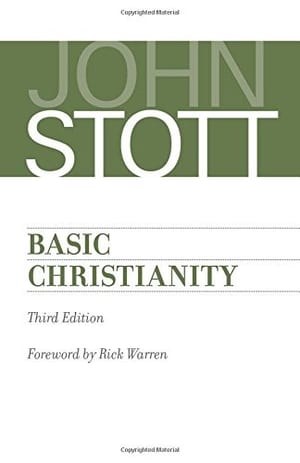
Basic Christianity
John Stott
View on Amazon →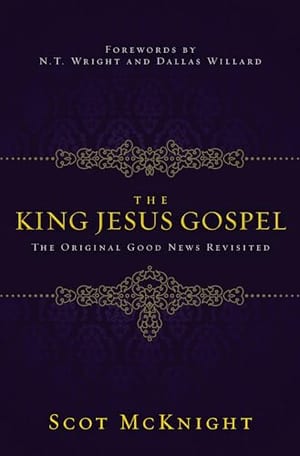
The King Jesus Gospel
Scot McKnight
View on Amazon →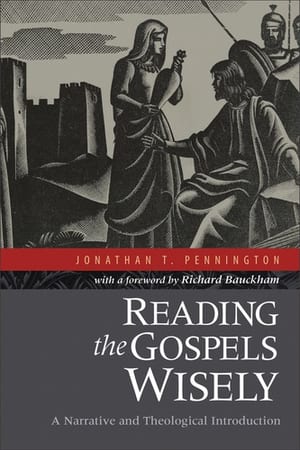
Reading the Gospels Wisely
Jonathan T. Pennington
View on Amazon →
The Jesus I Never Knew
Philip Yancey
View on Amazon →As an Amazon Associate we earn from qualifying purchases.
Pronunciation Video
Watch on YouTube →Meaning
a locust; the father's joy or feast
Historical Context
Agabus: The Prophet's Name and Its Meaning
Understanding how to pronounce Agabus correctly—AG-uh-buhs—is the first step to appreciating this biblical figure. The name carries weight in both sound and significance, rooted in ancient Greek origins that tell us something meaningful about the person who bore it.
Etymology and Original Language
Agabus comes from the Greek word agabē, which can mean "a locust" or carry the sense of "the father's joy" or "feast." This dual meaning reflects the richness of biblical nomenclature, where names often carried prophetic or descriptive weight. The locust connection may seem unusual to modern readers, but in the ancient Mediterranean world, locusts were both a known agricultural plague and a food source—making the name carry connotations of both significance and substance.
Who Was Agabus in Scripture?
Agabus appears in the Book of Acts as a prophet in the early Christian church. In Acts 11:27–28, he predicts a great famine that would spread over the entire Roman world—a prophecy later confirmed by historical records. His second appearance comes in Acts 21:10–11, where he dramatically demonstrates a coming persecution of Paul through symbolic action, binding his own hands and feet with Paul's belt.
These appearances establish Agabus as a legitimate prophet operating in the apostolic era, one whose warnings carried enough authority that the Jerusalem church took them seriously.
Why Agabus Matters for Bible Readers
Pronouncing Agabus correctly matters because this figure represents the continuation of Old Testament prophetic ministry into the New Testament church. He wasn't an apostle or a household name like Peter or Paul, yet his faithfulness in delivering God's warnings demonstrates that the Spirit worked through various members of the body of Christ. When studying Acts, recognizing Agabus's role helps readers understand how the early church discerned God's direction and prepared for coming challenges.
His example also reminds us that biblical prophecy often came through unexpected people, not always the most prominent voices in the community.
How to Read, Study & Pray

How to Read the Bible for All Its Worth
Gordon Fee & Douglas Stuart
View on Amazon →
Grasping God's Word
J. Scott Duvall & J. Daniel Hays
View on Amazon →
A Praying Life
Paul E. Miller
View on Amazon →
Women of the Word
Jen Wilkin
View on Amazon →
The Bible Recap
Tara-Leigh Cobble
View on Amazon →As an Amazon Associate we earn from qualifying purchases.