How to Pronounce
Acaciauh-KAY-shuh
Hear the pronunciation of Acacia
Click to play audio
Old Testament Reading

The Unfolding Mystery
Edmund P. Clowney
View on Amazon →
According to Plan
Graeme Goldsworthy
View on Amazon →
Introducing the Old Testament
Tremper Longman III
View on Amazon →
God's Big Picture
Vaughan Roberts
View on Amazon →
The Drama of Scripture
Bartholomew & Goheen
View on Amazon →As an Amazon Associate we earn from qualifying purchases.
Pronunciation Video
Watch on YouTube →Historical Context
Acacia: A Biblical Tree with Deep Roots
The word acacia (pronounced uh-KAY-shuh) comes from the Hebrew shittim, which refers to a specific hardwood tree native to the Sinai Peninsula and Arabian regions. Understanding how to pronounce Acacia correctly helps Bible readers engage more confidently with Old Testament passages, especially those describing the tabernacle's construction.
Etymology and Botanical Identity
The Hebrew term shittim derives from the root word meaning "to beat" or "to strike," likely referencing the tree's hard, durable wood. The acacia tree itself is a thorny, drought-resistant species (typically Acacia nilotica or Acacia seyal) that thrives in desert climates. Its dense, fine-grained wood made it invaluable for ancient construction projects.
Where Acacia Appears in Scripture
Acacia wood holds surprising prominence in biblical narrative. Pronouncing Acacia correctly becomes essential when reading Exodus 25–27, where God commands Moses to construct the tabernacle's most sacred furnishings from this wood: the Ark of the Covenant (Exodus 25:10), the table for showbread (Exodus 25:23), the altar of incense (Exodus 30:1), and the altar of burnt offering (Exodus 27:1).
The wood also appears in Isaiah 41:19, where God promises to plant acacia trees in the wilderness as part of His restoration plan for the land.
Why This Matters for Bible Readers
The consistent choice of acacia wood for the tabernacle's furnishings carries theological weight. This humble desert tree—thorny, resilient, and strong—symbolized the durability of God's covenant and the strength required to worship Him. Its presence in the wilderness tabernacle reminded Israel that God's presence could sustain them even in harsh, barren places.
For pastors and teachers, Acacia pronunciation guides discussion of tabernacle symbolism and God's provision. When you're pronouncing Acacia correctly in your teaching, you honor the specific details Scripture emphasizes about how God's dwelling place was constructed. These aren't random details—they're theological statements embedded in material reality.
How to Read, Study & Pray

How to Read the Bible for All Its Worth
Gordon Fee & Douglas Stuart
View on Amazon →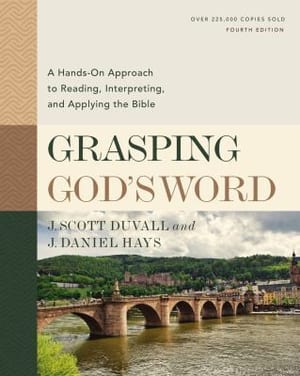
Grasping God's Word
J. Scott Duvall & J. Daniel Hays
View on Amazon →
A Praying Life
Paul E. Miller
View on Amazon →
Women of the Word
Jen Wilkin
View on Amazon →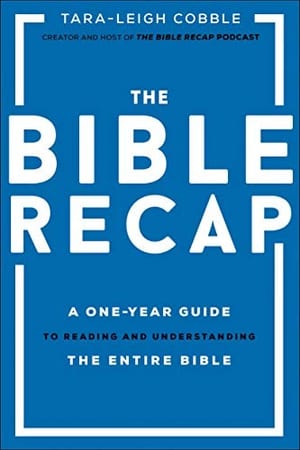
The Bible Recap
Tara-Leigh Cobble
View on Amazon →As an Amazon Associate we earn from qualifying purchases.