How to Pronounce
AbramAY-br'm
Hear the pronunciation of Abram
Click to play audio
Old Testament Reading

The Unfolding Mystery
Edmund P. Clowney
View on Amazon →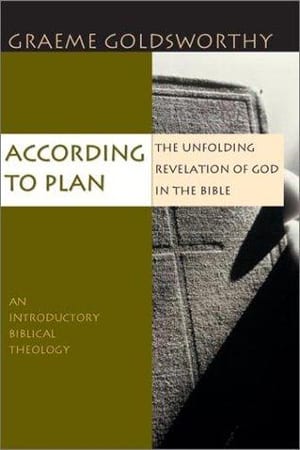
According to Plan
Graeme Goldsworthy
View on Amazon →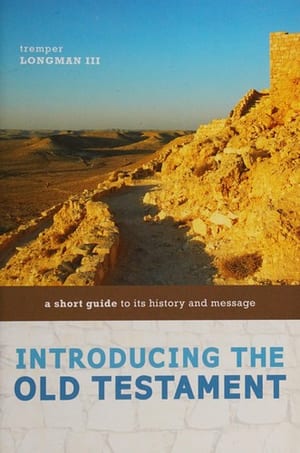
Introducing the Old Testament
Tremper Longman III
View on Amazon →
God's Big Picture
Vaughan Roberts
View on Amazon →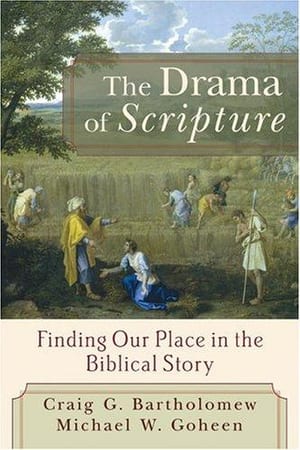
The Drama of Scripture
Bartholomew & Goheen
View on Amazon →As an Amazon Associate we earn from qualifying purchases.
Pronunciation Video
Watch on YouTube →Meaning
high father
Historical Context
Abram: The High Father
Abram comes from Hebrew roots that combine ab (father) with ram (high, exalted). The name literally means "high father" or "exalted father," reflecting both paternal status and elevated dignity. Understanding the Abram pronunciation as AY-br'm helps Bible readers engage more confidently with one of Scripture's most pivotal figures.
A Name That Defined a Covenant
Abram first appears in Genesis 11:26 as the son of Terah, but his true significance emerges in Genesis 12 when God calls him to leave Ur of the Chaldees. This isn't merely a geographical relocation—it's the beginning of God's covenant with humanity's future. For nearly seventy-five years, Abram bore this name while living as a stranger in Canaan, Egypt, and the Negev.
The pivotal moment for how to pronounce Abram correctly matters most when reading Genesis 17, where God changes his name to Abraham ("father of many nations"). This renaming signals the transformation from "high father" to a patriarch whose descendants would be innumerable—a shift from personal dignity to cosmic significance.
Why Readers Should Know This Name
Abram's story spans Genesis 11–25 and forms the foundation for understanding biblical faith. His journey—marked by belief, stumbling, and perseverance—demonstrates what it means to follow God's call without complete understanding. When pronouncing Abram correctly in passages like Genesis 15:6 ("Abram believed the Lord, and he credited it to him as righteousness"), you're encountering the Old Testament's definition of saving faith.
The name also appears significantly in the New Testament, particularly in Romans 4 and Galatians 3, where Paul uses Abram's example to explain justification by faith to early Christian communities. Pastors and teachers frequently reference Abram when discussing covenant theology, faith development, and God's long-term plan for redemption.
Whether you're preparing a sermon, teaching a Bible study, or simply reading through Genesis, getting the Abram pronunciation right—AY-br'm—demonstrates respect for the text and helps your audience connect more deeply with this foundational biblical narrative.
How to Read, Study & Pray

How to Read the Bible for All Its Worth
Gordon Fee & Douglas Stuart
View on Amazon →
Grasping God's Word
J. Scott Duvall & J. Daniel Hays
View on Amazon →
A Praying Life
Paul E. Miller
View on Amazon →
Women of the Word
Jen Wilkin
View on Amazon →
The Bible Recap
Tara-Leigh Cobble
View on Amazon →As an Amazon Associate we earn from qualifying purchases.